I know not everyone is all that excited by Bruce’s late career arc, but I love it. There’s a grace he has brought to his later music; I thought Western Skies was brilliant, a new chapter in his American songbook and this song is sly, wise and fun. Not new themes, necessarily, but a mature take on the things that have always preoccupied him. My brother makes a face when I say this, and a friend calls it his “Glen Campbell album.” To which I say, I like (a little) Glen Campbell, and I like people trying new things. I got a kick out of Barry Gibbs’ neo-country re-take on his Bee Gees’ standards, Greenfields, released last year. I’d encourage Bruce to do more of that and less rehashing old songs with the E Street Band. Letter to You isn’t bad, and I’d LOVE to hear him play Ghosts and some of those songs to a jacked-up stadium. It’s just that, as a studio album, I’ve heard him do that before, better.
It’s the same sad story, love and glory goin’ ‘round and ‘round
It’s the same old cliché, a wanderer on his way, slippin’ from town to town
Some find peace here on the sweet streets, the sweet streets of home
Where kindness falls and your heart calls for a permanent place of your own
I’m a wayfarer, baby, I drift from town to town
When everyone’s asleep and the midnight bells sound
My wheels are hissin’ up the highway, spinning ‘round and ‘round
You start out slow in a sweet little bungalow, something two can call home
Then rain comes fallin’, the blues come calling, and you’re left with a heart of stone
Some folks are inspired sitting by the fire, slippers tucked under the bed
But when I go to sleep I can’t count sheep for the white lines in my head
I’m a wayfarer, baby, I roam from town to town
When everyone’s asleep and the midnight bells sound
My wheels are hissin’ up the highway, spinning ‘round and ‘round
Where are you now, where are you now?
Where are you now?
I’m a wayfarer, baby, I roam from town to town
When everyone’s asleep and the midnight bells sound
My wheels are hissin’ up the highway, spinning ‘round and ‘round
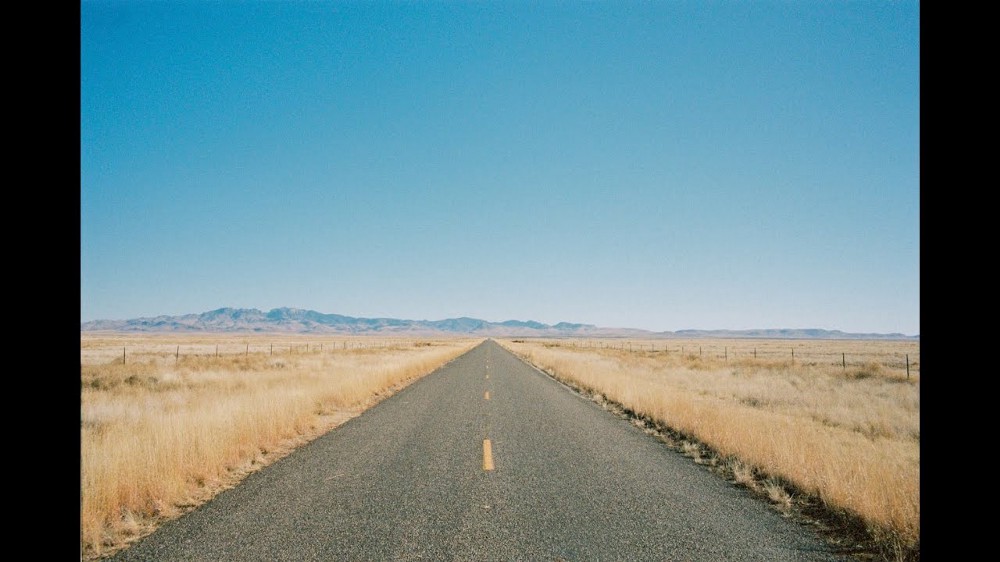
This is a road song in a world without road trips, where our collective experience is reflected in words like homebound,locked down and socially distanced. I’ve been on exactly two road trips (definition: a multiday jaunt at least 3 hours away from home by car) in the past year, one last spring to pick up my son when he hiked off the Appalachian Trail near Roanoke, Va., and the other to Maine for a September vacation. I drove fewer than 10,000 miles in 2020, the fewest since I was in college, probably. When I bought a used car in November 2019, one consideration was that it would be fun to drive on the highway. Haha. Nice thought. It has done a great job of sitting in a garage. Even worse, when out of the garage, I think I’ve regressed as a driver. I am a mess in parking lots — skittish and bad at estimating distance behind and around me. I don’t hit anyone. It’s the opposite. I don’t come near anyone if I can help it.
I do wonder if one consequence of this pandemic year is a lessening of the impact of cars in general — culturally, transportationally, environmentally. That’s great news for the planet and I do appreciate that young people are generally much cooler on cars than their parents and grandparents, and the pandemic took many people off the road. The National Highway Traffic Safety Administration report for the first half of 2020 showed a 17% decrease in miles driven. While numbers increased in the second half of the year, it looks like there was at least a 10% decrease for the year in total. One sad non-consequence: less driving equals fewer accidents, you’d hope, but accidents per driving mile increased about 18% for the year. Apparently, there was more impaired driving, more speeding and less use of seat belts, resulting in more-serious accidents.
That said, I miss traveling, I miss the road. More than flying, I want to go on a serious road trip when that becomes a thing again.
Oh yeah, the song …
Texas musicians Khruangbin & neo-soul singer Leon Bridges really got the vibe on this one. I could listen to Bridges sing all day. I first heard him about 7 years back when he had a song Better Man on his debut album. At Men’s Health, we had a book called The Better Man Project that came out about the same time, and there was some talk about seeing if we could somehow do something to bring together the two. Sadly, didn’t happen. Bridges hasn’t recorded as much as I’d like and I’m hopeful he’ll release something soon. For now, this suffices.
This is what Bridges had to say about the song:
“I feel like this song is the perfect marriage of country, soul, and R&B. And historically, artists have incorporated elements of country music — like Bobby ‘Blue’ Bland and Joe Tex — so it was important to keep the spirit of that. This song really captures the mood of cruising Texas highways and taking it all in while the sun sets.”
As we come up on the one-year anniversary of the COVID-19 pandemic, I wanted to share some of the music that has helped me through the year, with post a quick bit about one song each day in March. So here goes …
#2, Hold On, Yola
I first heard Yola when she sang with the alt-country, all-female supergroup The Highwomen on the title song of their debut record, which came out in 2019. Last summer a friend passed along “Hold On” and it became my resilience anthem for COVID times. Coming full circle, Yola is backed on this song by several of the Highwomen (Brandi Carlisle and Natalie Hemby, with Sheryl Crow and Morgane Stapleton, who will show up with her husband later in this list, as well). My church does contemporary music, from the Beatles to Frank Turner to Jimmy Eat World, and if we’re not singing “Hold On” by next summer, in-person or especially if we’re still remote, I will be shocked.
As we come up on the one-year anniversary of the COVID-19 pandemic, I wanted to share some of the music that has helped me through the year. I’m going to post a quick bit about one song each day in March. So here goes …
Eddie Vedder and Pearl Jam is a favorite and this performance is a reminder that music can be communal — just hearing 40,000 fans singing along in Chicago in, I think, 2017. And the song, about a chance encounter that stirs up memories and feelings is so spot-on during this time when tragedy plays out in the most mundane and banal ways. It’s been not a thunderclap of loss or even a hundred deaths by a thousand cuts. Instead it is loss and disconnection played out over seemingly unending groundhog days.
You can find yourself asking, What happens when the only rituals of modern life are performed at home or on screen? Answer: We can get so tangled in the jumble that we strangle ourselves in frustration.
And against that backdrop, this song, about the recognition, compromises and realities of loss … it seems like as good a place to start as any. Tomorrow, #2.
Having trouble with the lyrics, here you go:
I seem to recognize your face
Haunting familiar, yet I can’t seem to place it
Cannot find the candle of thought to light your name
Lifetimes are catching up with me
All these changes taking place
I wish I’d seen the place
But no one’s ever taken me
Hearts and thoughts they fade, fade away
Hearts and thoughts they fade, fade away
I swear I recognize your breath
Memories, like fingerprints, are slowly raising
Me you wouldn’t recall for I’m not my former
It’s hard when you’re stuck upon the shelf
I changed by not changing at all
Small town predicts my fate
Perhaps that’s what no one wants to see
I just want to scream, “Hello
My god, its been so long, never dreamed you’d return
Interesting is a word I notice in conversation because of how people use it—or misuse it. The two ways that amuse me most:
When asked for an opinion or evaluation, people will say “That’s interesting” or “Hmmmm, interesting.” Often they don’t follow that with insight. Instead, it’s a neutral being used to not offer a more candid (and negative?) assessment. When I hear interesting in this context, I either assume they meant “that’s a bad idea” and I say, “I need more. Give me the next words that are coming to mind.”
The other use of interesting is to say “Let’s talk about something, anything else.” Next time you hear that something is interesting, notice how often the conversation pivots immediately to either a completely new topic or bends to an absurd or hard-to-follow degree toward the speaker’s experience. Best of all, notice it you are doing it yourself.
My point is, if one found a topic or argument truly interesting, they would expand upon or ask about it. In my experience, and counter to its definition, once labeled interesting, you’ve hit a curiosity dead end.
We’ve had a mouse problem. It started with a text from Virginia on my Monday morning walk that said, “Mouse! Come home!”
I came home, seemingly trapped it in a bathroom and went to get some mouse traps. By the time I returned, it was gone. But we set our traps and the next morning, there it was — in the trap near the pantry.
Just to be safe, we left the traps out. The next morning: another mouse, smaller than the first, in the same trap.
And the next morning? Yup, the same thing.
Now, this had me mildly freaked out. I didn’t realize there were five mammals sharing this space. What made it even worse was that I didn’t know about these other three despite the fact we were all here ALL THE TIME. Shouldn’t I have seen some signs? (Though maybe the recent cold snap brought them in recently.) That, and the increasing number of COVID-19 infections in our community, had me feeling very much trapped and stuck in my house, in my life.
Until last evening.
I was participating in my congregation’s midweek mindfulness checkin, which occurs on Zoom. After we completed a 30-minute exercise, my minister asked us to hold a thought that had been occupying our attention more lightly. And for whatever reason, this provided a real sense of lightness and relief.
Instead of seeing my home as a punishment and a penalty, as a place where I was stuck, I saw it from the mice’s point of view: my house was warm and a respite from the oncoming cold. It had lots of places to cuddle up and relax. It had more than enough food for all the creatures living under its roof.
I realized what was true for mice was true for me, too. My home is enough. It can keep me safe and happy — if I choose to be safe and happy. All I have to do is embrace mouse mind—without quite embracing mouse—and stay away from the peanut butter smeared underneath those dangerous-looking plastic teeth. Seems doable, and a reminder that the world is equal parts what is and what I perceive it to be.
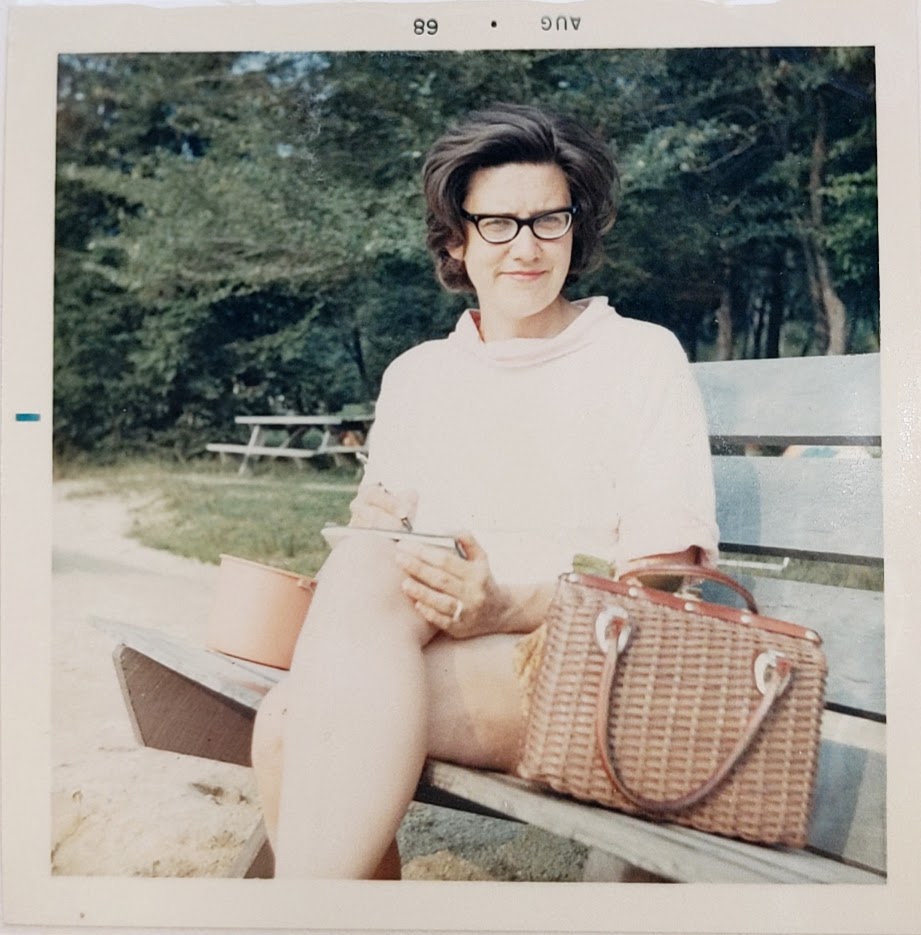
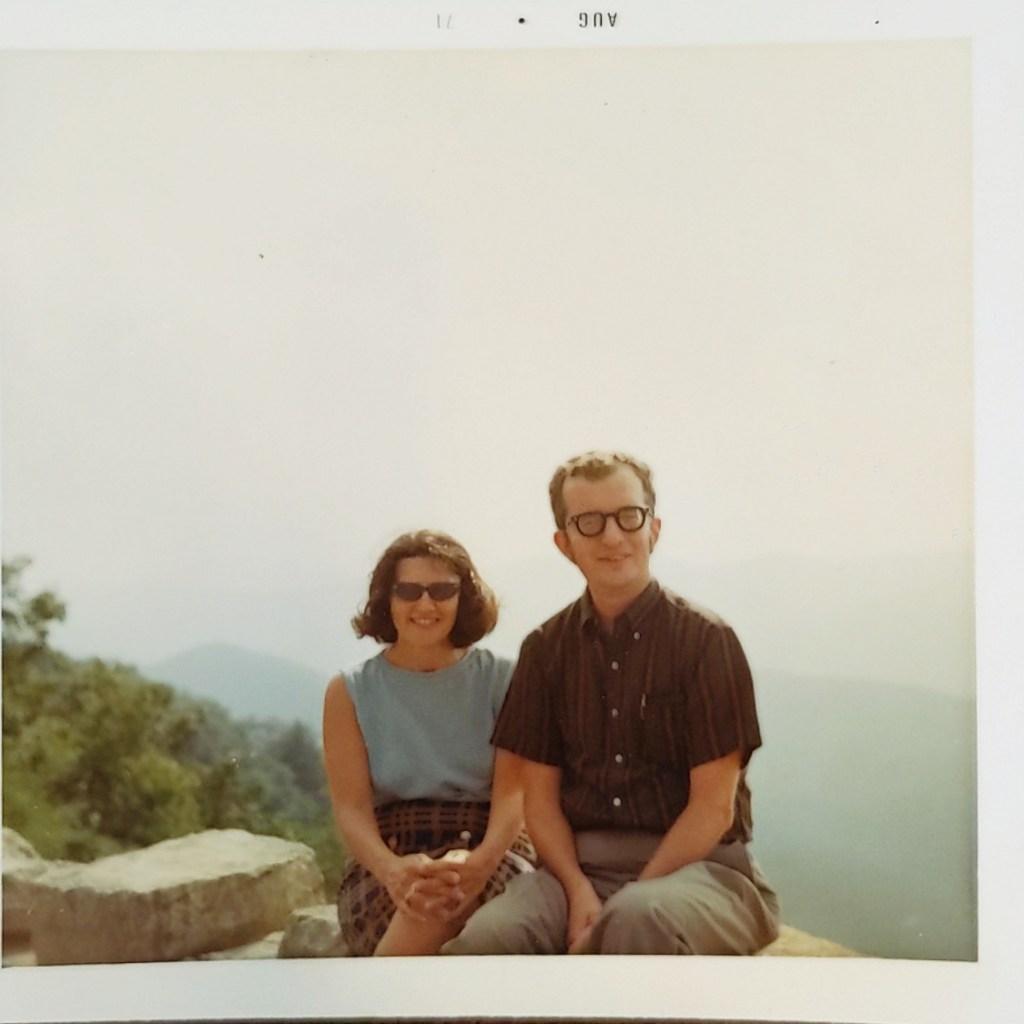
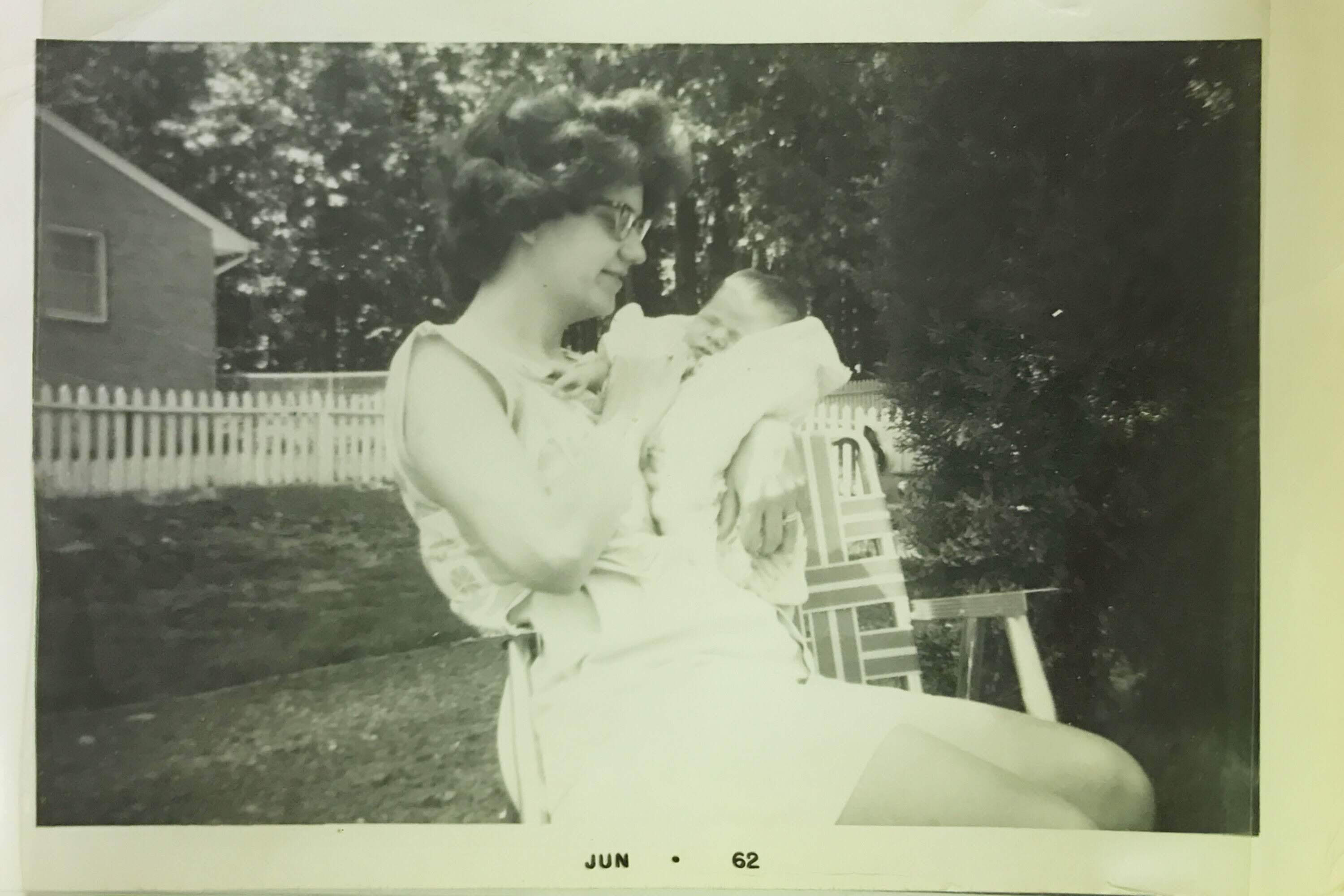
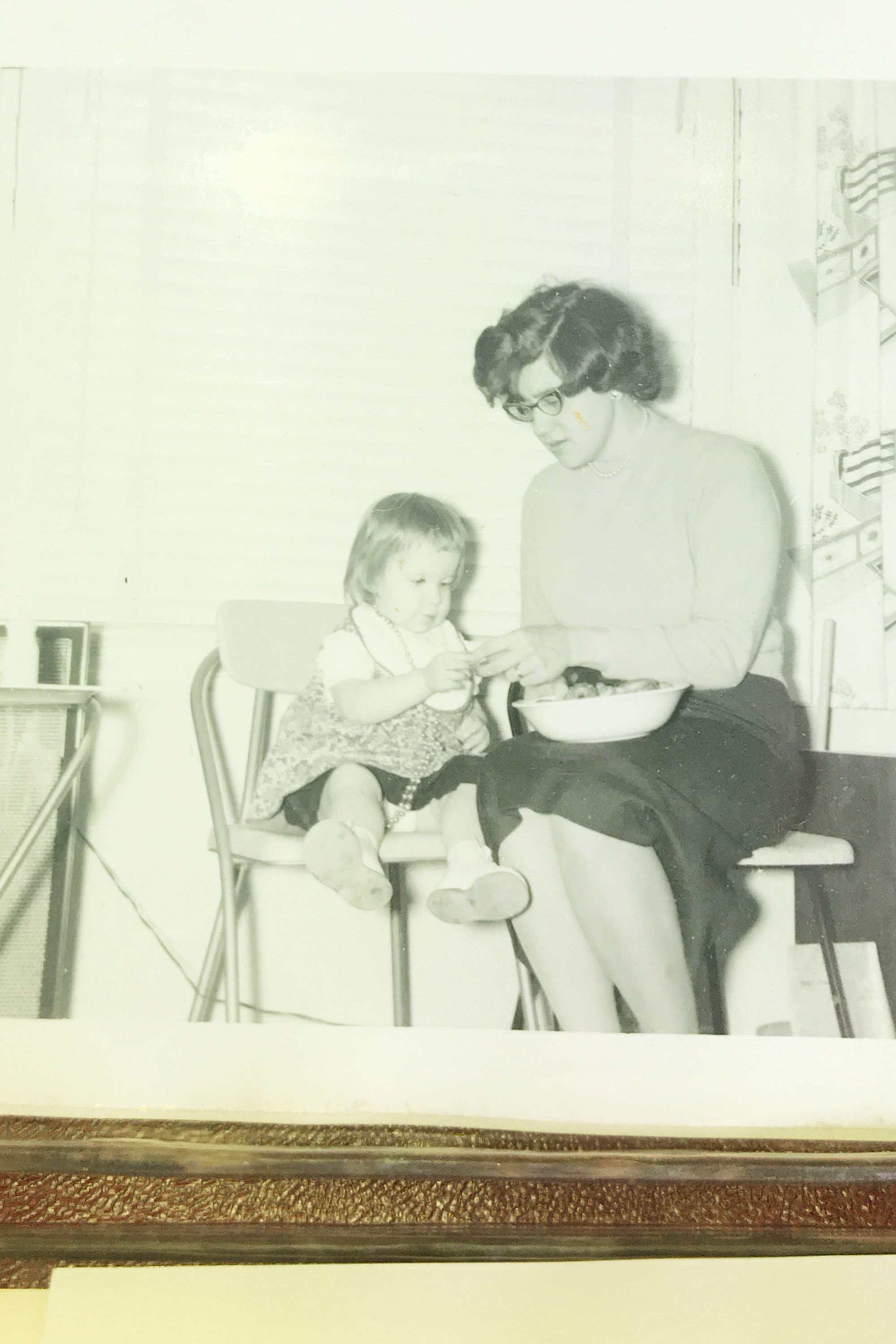
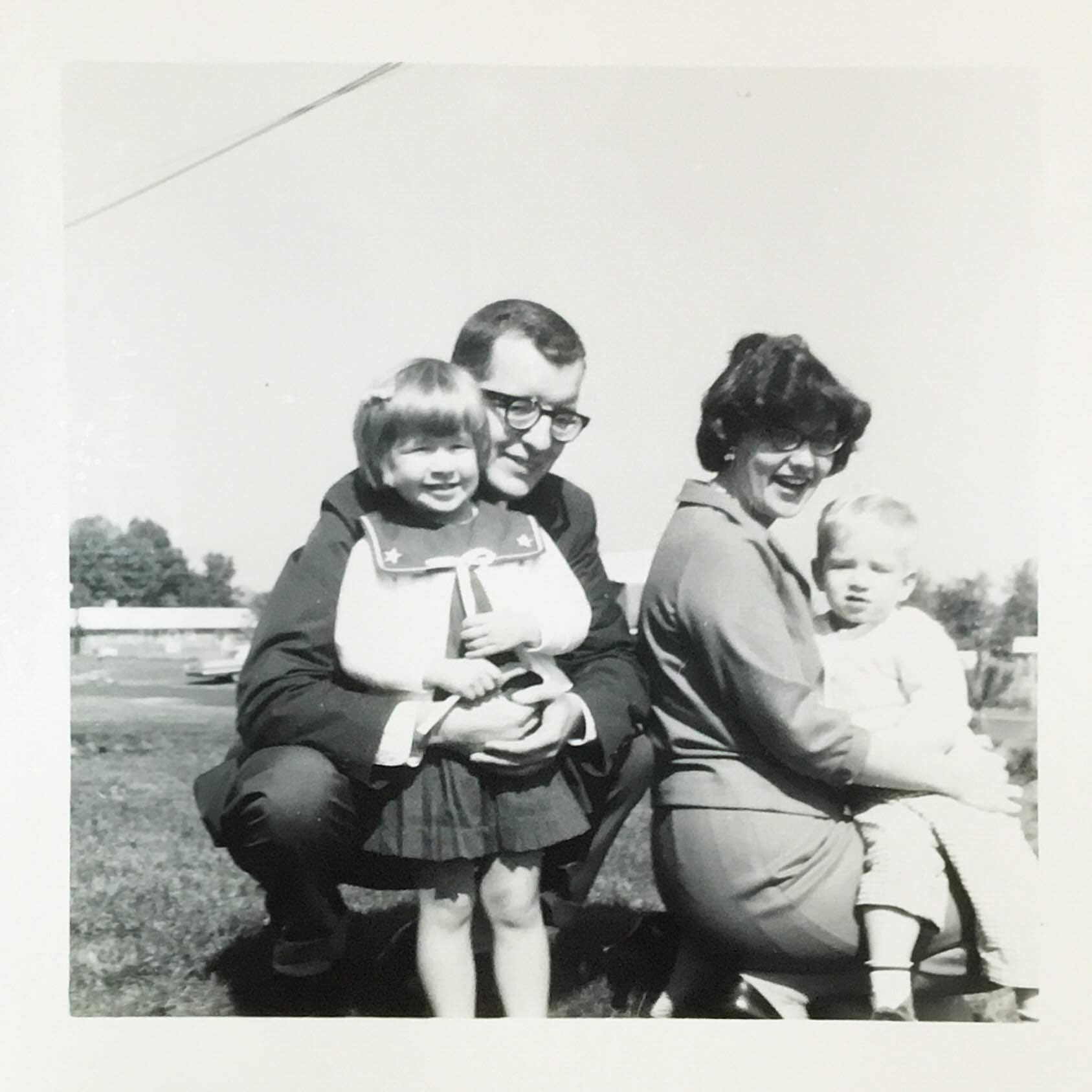
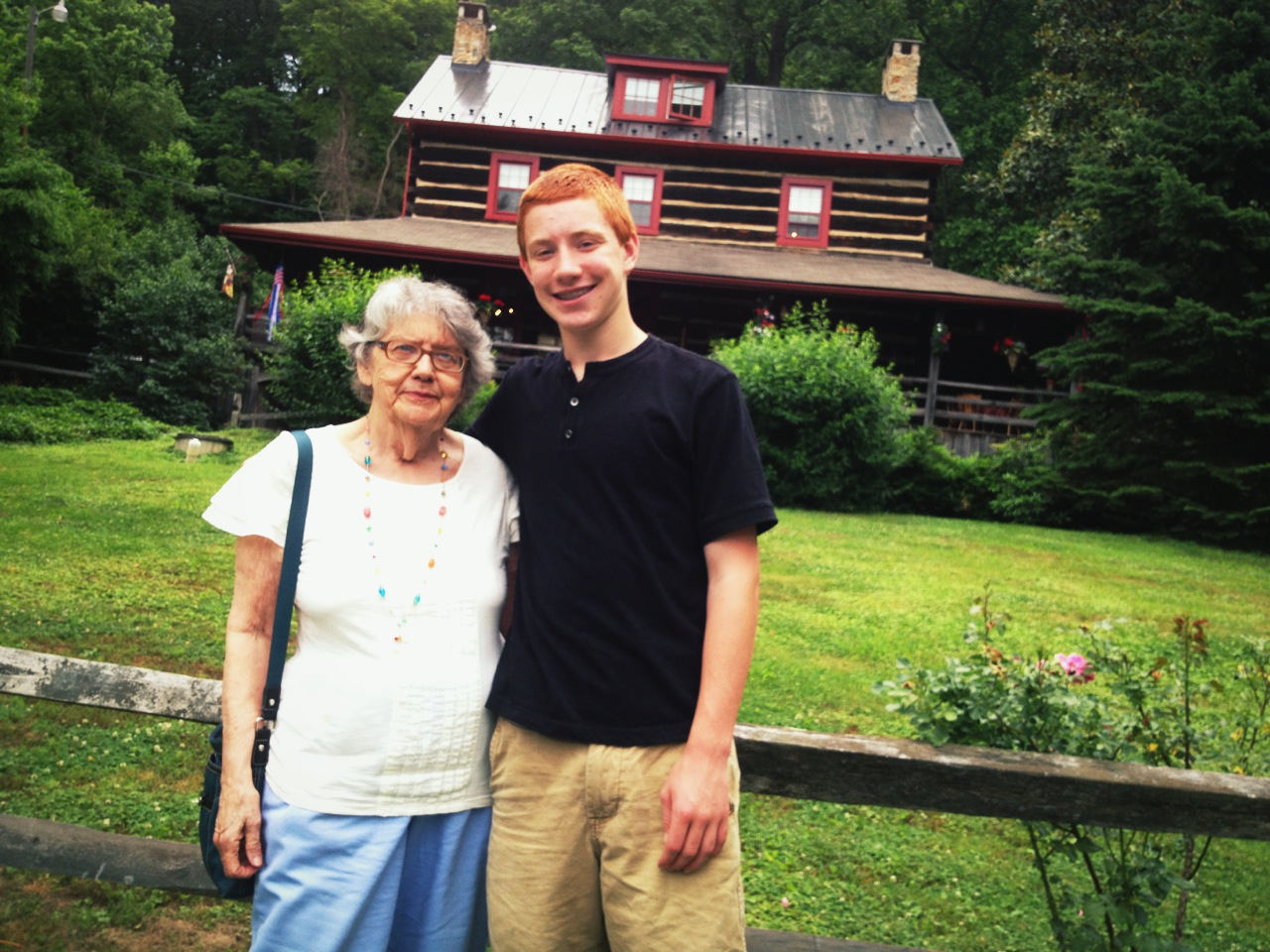
I was going through a photo album from 1968 made up of photos mostly taken by my father-in-law, and it was as if I was meeting him for the first time. Which, in some ways, I was. Charles Christopher Kirk died in 1974, when I was 9, Virginia was 12, and we were almost 15 years away from meeting. We’ve been married 28 years and counting.
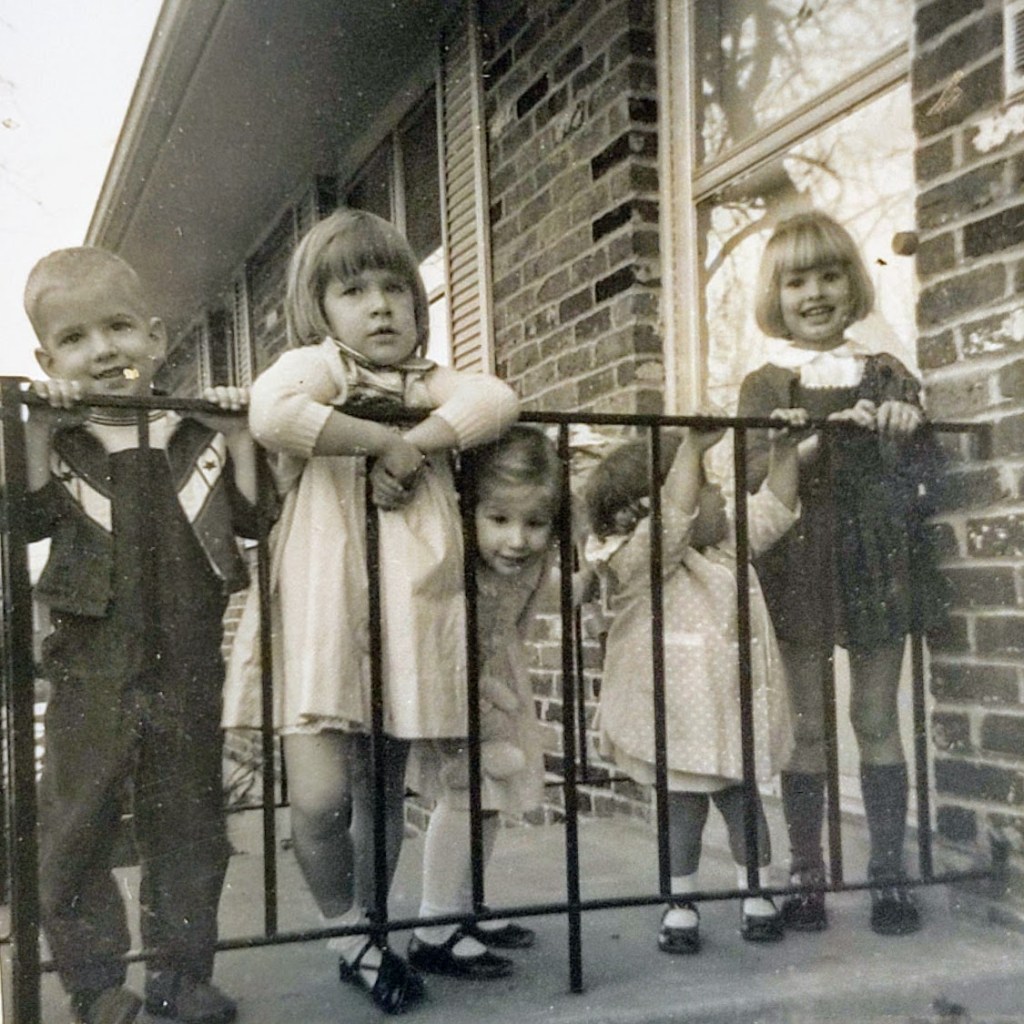
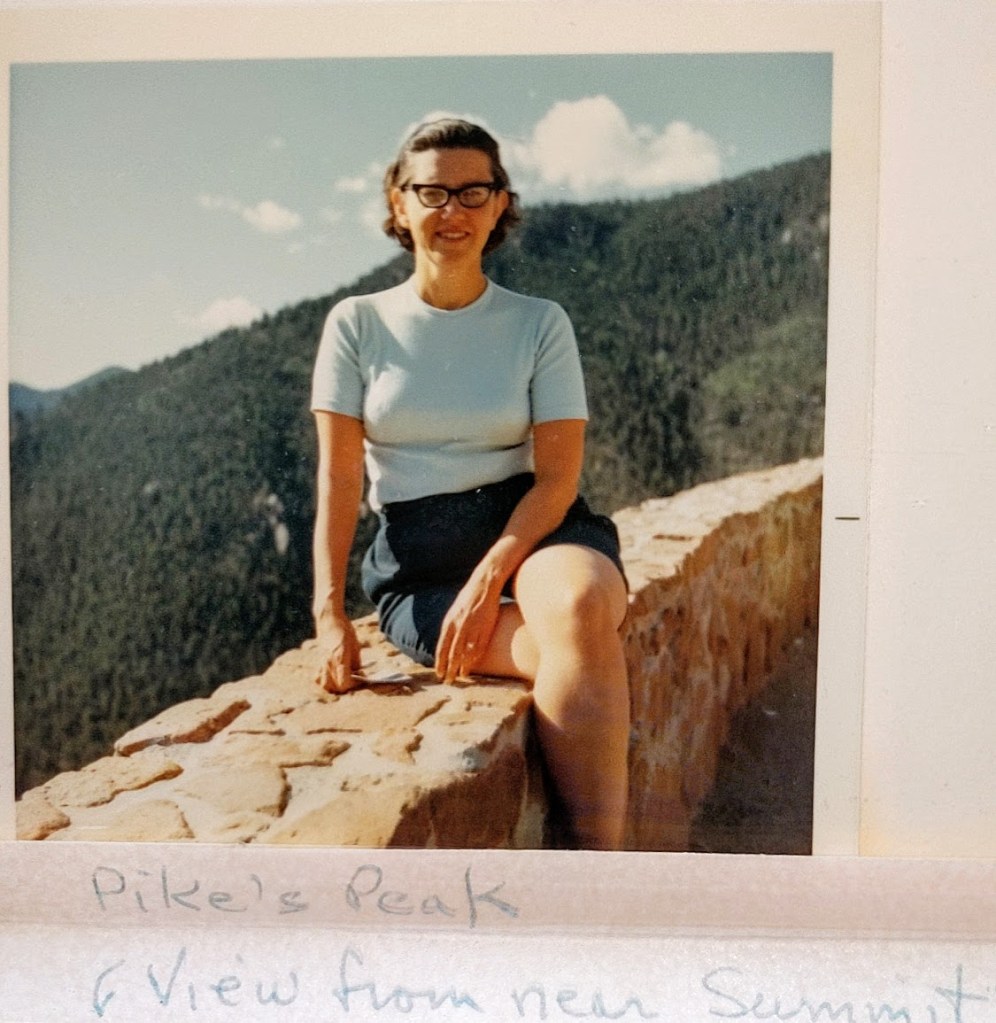
The photos were the usual stuff, the kids around the house and on birthdays and family occasions, and a few travel photos. But for me, it was an introduction to his gaze. He caught the kids in moments of quiet, hanging on the front stoop while playing with friends or he got them to pose on a snow day or at the beach. There were photos of a Western trip he and Rosalie took, and Rosalie ends up posing at sign posts along the way — Pikes Peak, the Grand Canyon. In all of these he takes the time to compose an image that speaks to what he cares about. You can feel the love. At least I could, because it’s how I take photos too.
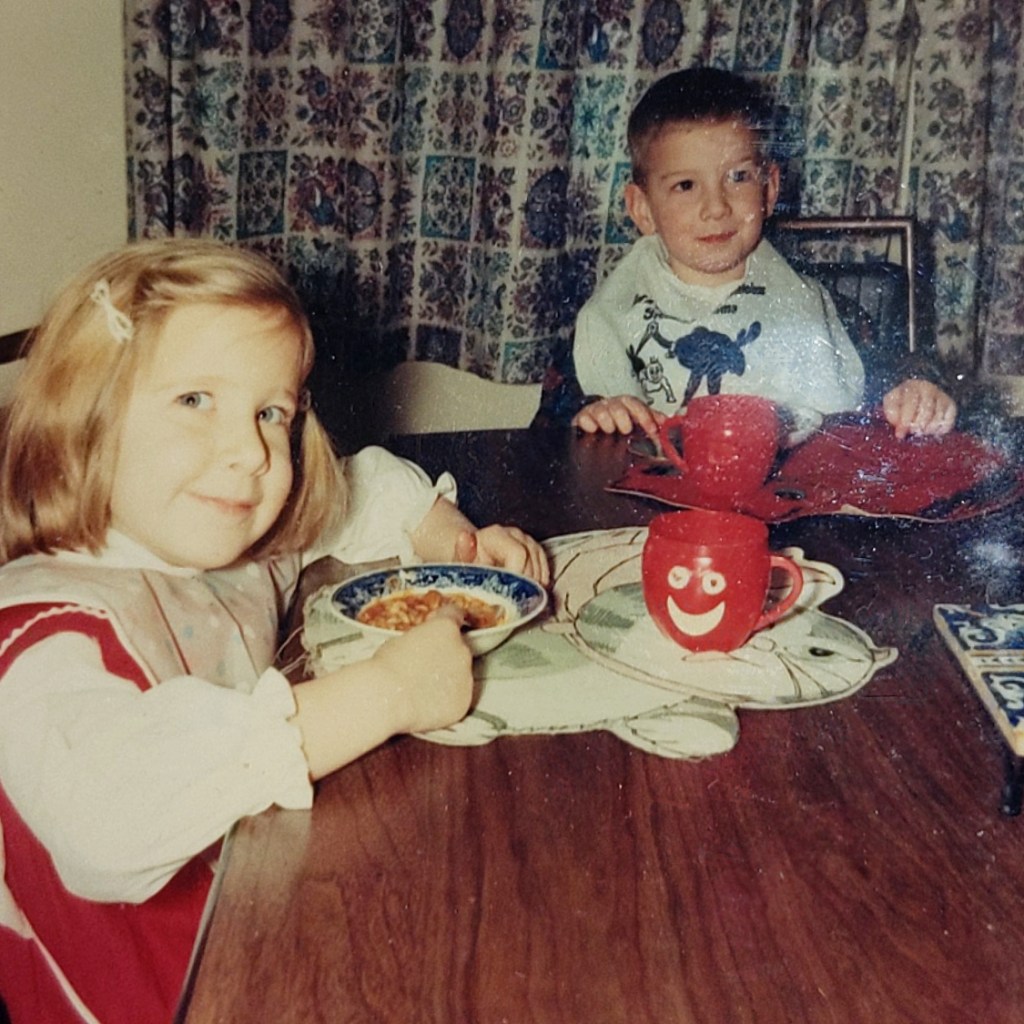
There’s one of this little girl, relaxing in a chair (see above, but better below). It’s quiet and intimate, and Virginia at rest, which I imagine was as unusual then as now, and all I could think as I looked at it was, we both loved this same person, over all these years, and how cruel it was that six years later he died and he didn’t see her at 15 and 25, on her wedding day and as she became a mom and a reporter and a social worker and a wife and a bike rider and a grandma and a care giver and all the things that were probably so apparent to him when he looked at her. I really ached for him.
The strangest, wonderful thing for me in this grief time, in saying goodbye to Rosalie, is finally, at long last, meeting Chris Kirk. And being drawn together by this simple fact: what you loved, I love, too. It’s one of the graces of this parting time.
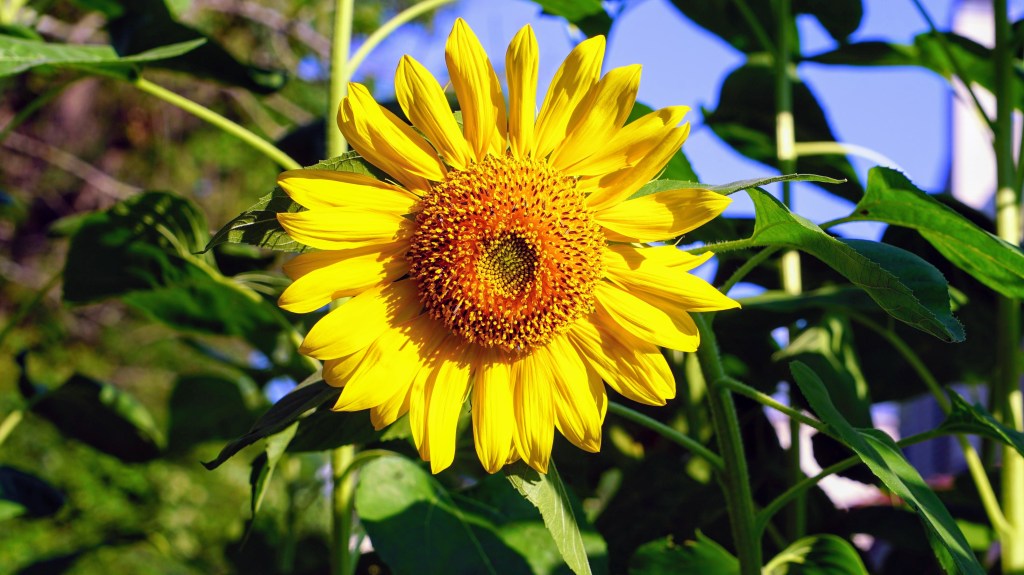
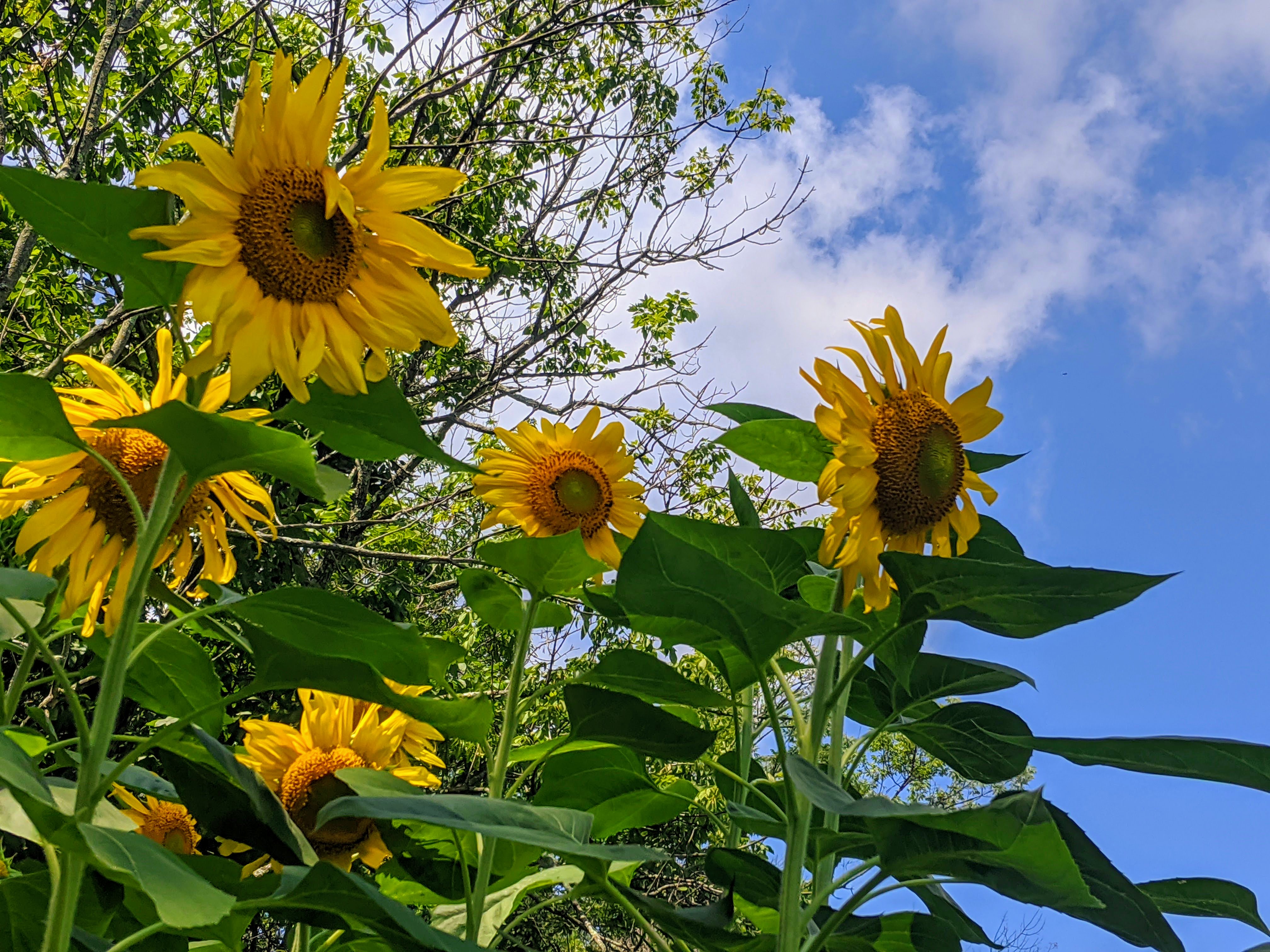
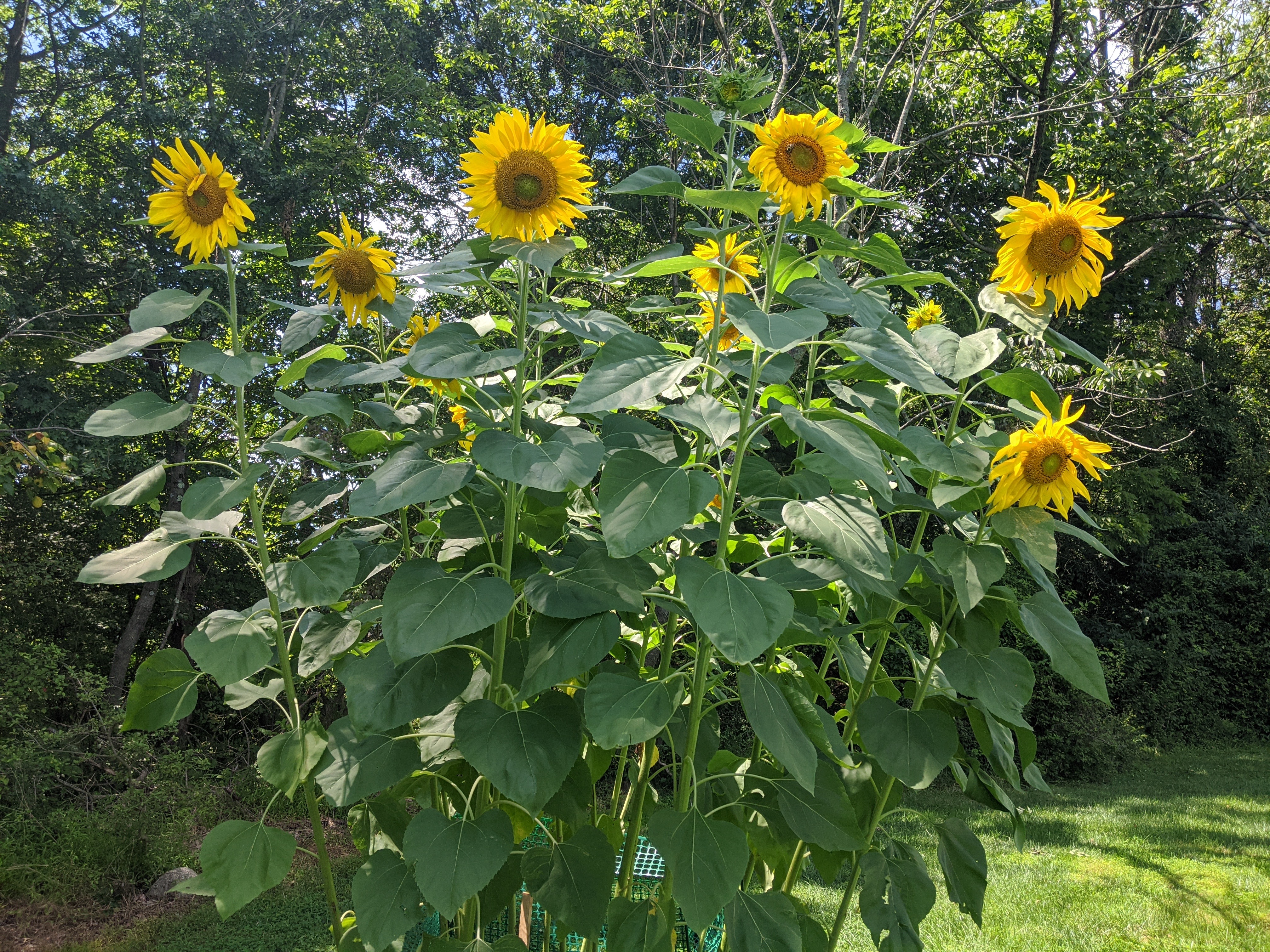
I’ve never been much of a flower person. I’ve let Virginia do the work of encouraging things to grow and be beautiful, and I water, yank up weeds and prune when things get unruly. But last year, I decided to try my hand at it. I dug out a garden in our backyard and planted a bunch of sunflowers.
It was a disaster. The ground I chose was wet and the soil poor. We’ve been told that our yard was once a junkyard and I believe it; when it rains enough, you’ll see a sheen of oil pool on the standing water like something from The Beverly Hillbillies. This is not rich soil, though a business called Soil Rich sits behind the treeline in our yard. The few plants that grow even a few inches tall have been consumed quickly by various critters.
This year, I decided, would be different.
I bought a raised bed and filled it with high-quality dirt.
I planted only seeds for mammoth varieties, and paid great care to spacing.
I put up a fence to fend off herbivores large and small.
I devoted meticulous attention to the seeds’ progress.
And it paid off. The darn things grew. Within a week of planting, we had seedlings. They grew into shoots, then just kept growing. Two feet. Three feet. Four feet. Six feet.
Seven feet.
Eight feet! (The tallest reached nearly 11 feet.)
The seed heads began to develop and I anticipated all the fun of a late Summer of looking at them lording over our backyard. And when they bloomed, they were magnificent. I was loving it.
But there’s always a but.
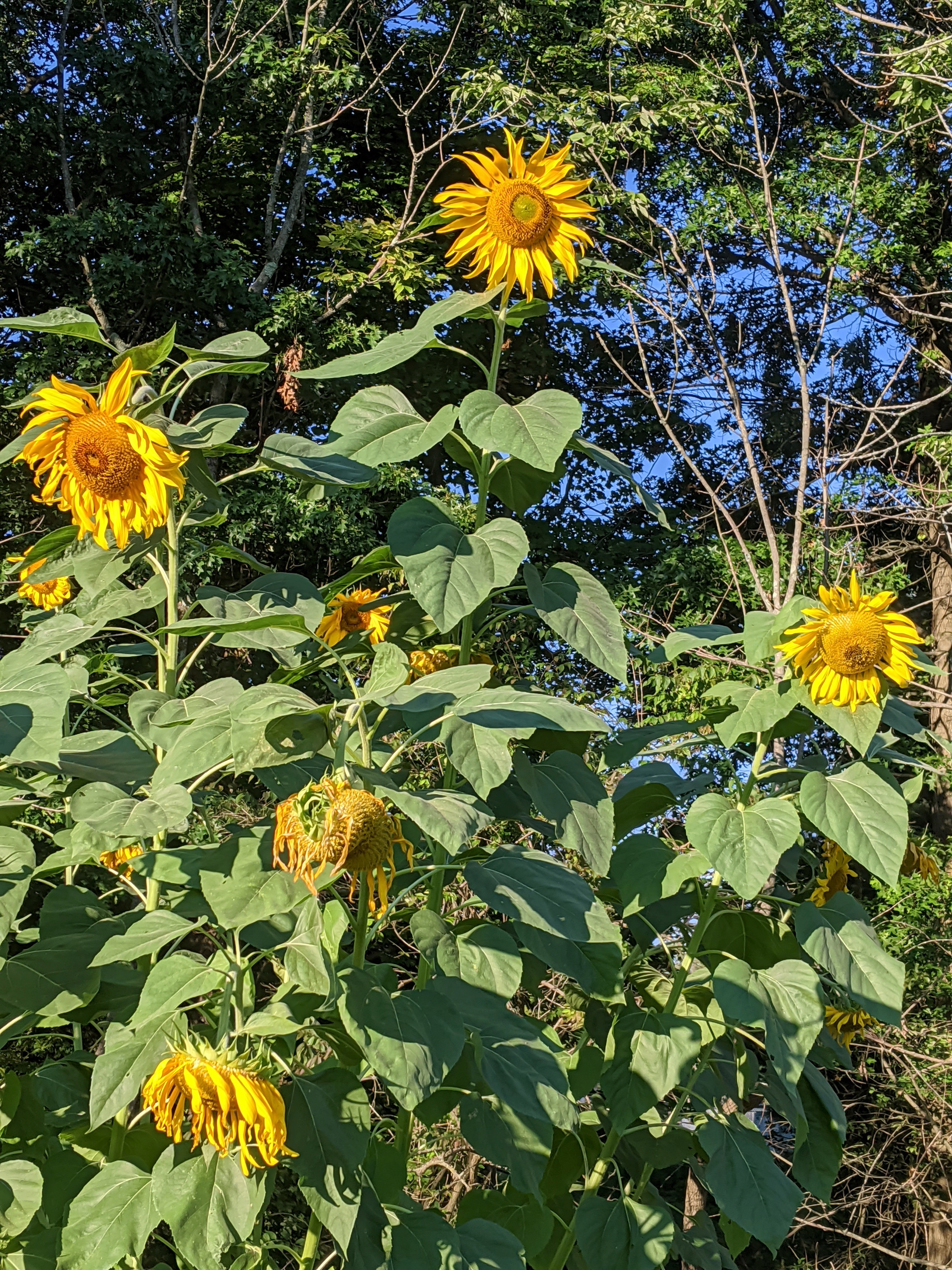
And in this case, the but is this moment of Sunflower Maximus was short-lived. The first to bloom was a harbinger of doom. After two magnificent days, it began to droop. Then wilt. Then the head deteriorated quickly. The seeds never had time to develop, and it was over. The rest of the sunflowers, all two dozen of them, followed a similar arc. Spectacular bloom, sagging under their own fecundity, followed quickly by decline and deterioration.
In the end, a late summer tropical storm pumped too much water into their stalks and the overheavy heads snapped the stalks and the squirrels gleefully ran up and down their 12-foot lengths. I ended up asking my son Kelly to go and pull them out. I didn’t have the heart.
The lesson for me was one of balance. The sunflowers grew tall, bloomed big, and declined quickly. I’m 54. I fear a similar flowering. The good thing is, I’m a person, not a flower, and I have some say in the matter. If I grow, how I grow, includes some level of choice, and go big, and go home early is an end I am not willing to court. I’ve known this for a while: I’m willing to exchange size for sustainability.
It’s worth noting that we’re about five years to the day from the time I had an operation in which a surgeon placed a stent in my heart. I have been reading my journal entries from when I first noticed that something was happening in my body. When I realized I might need some help. When I realized how close I came to being beyond help. It was a good lesson in things don’t last forever, that the sustainable route is the one that doesn’t fight against physics. That lasting is a good thing. That a bunch of smaller, gorgeous flowers are more than enough in any garden.
So, next year: It will be different. More varieties. Plants with multiple heads, so none are so large as to endanger the stalk’s integrity. More locations around our yard.
Sunflower 3.0 will be an experiment in variety and resilience. Kevin 2.0 remains a work in progress.
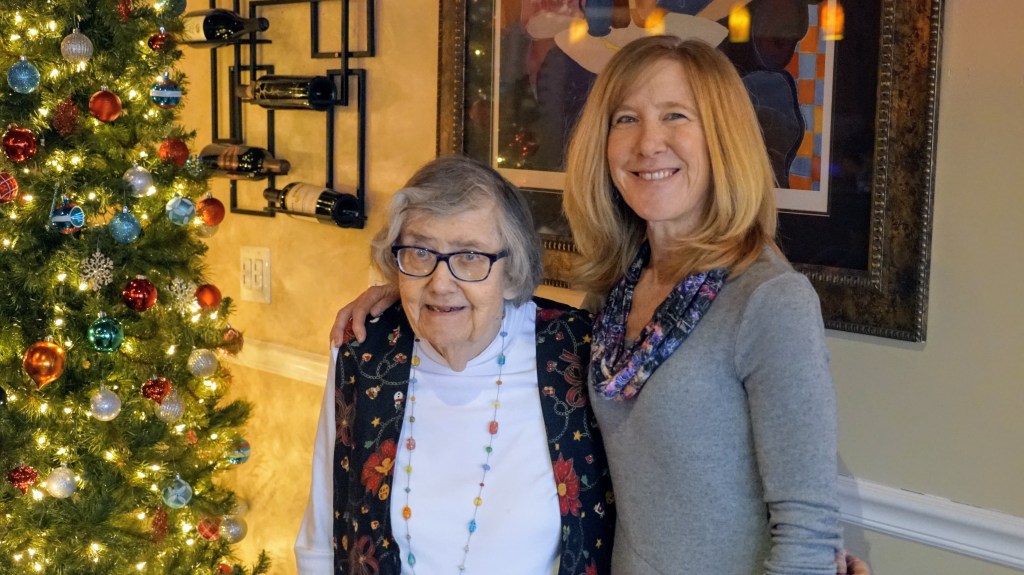
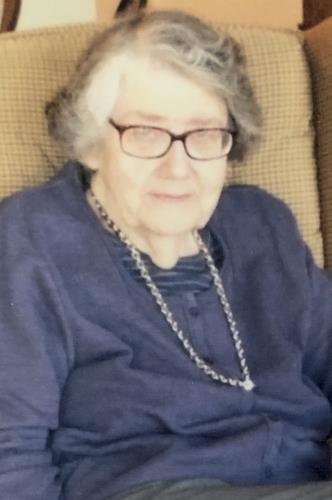
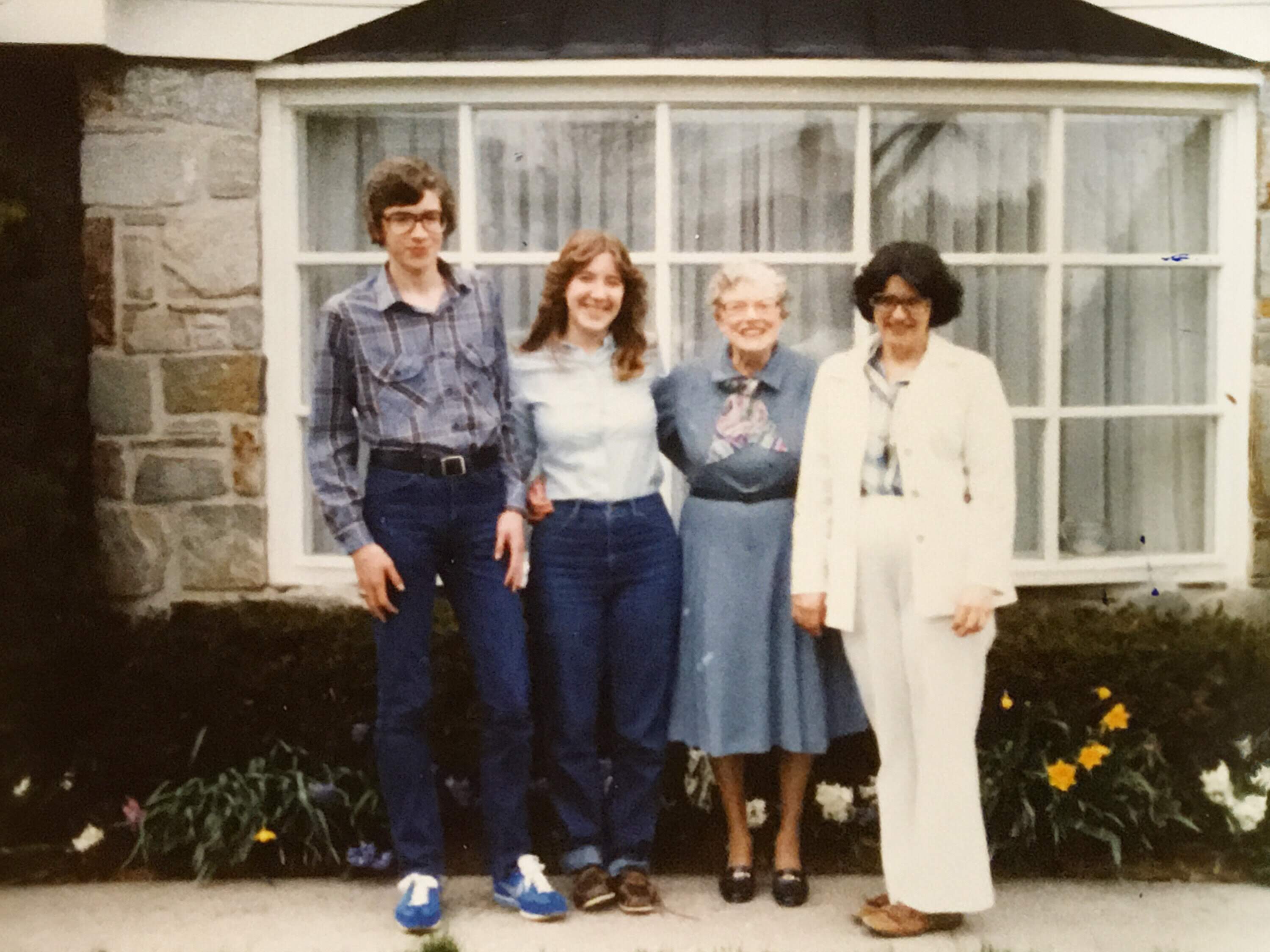
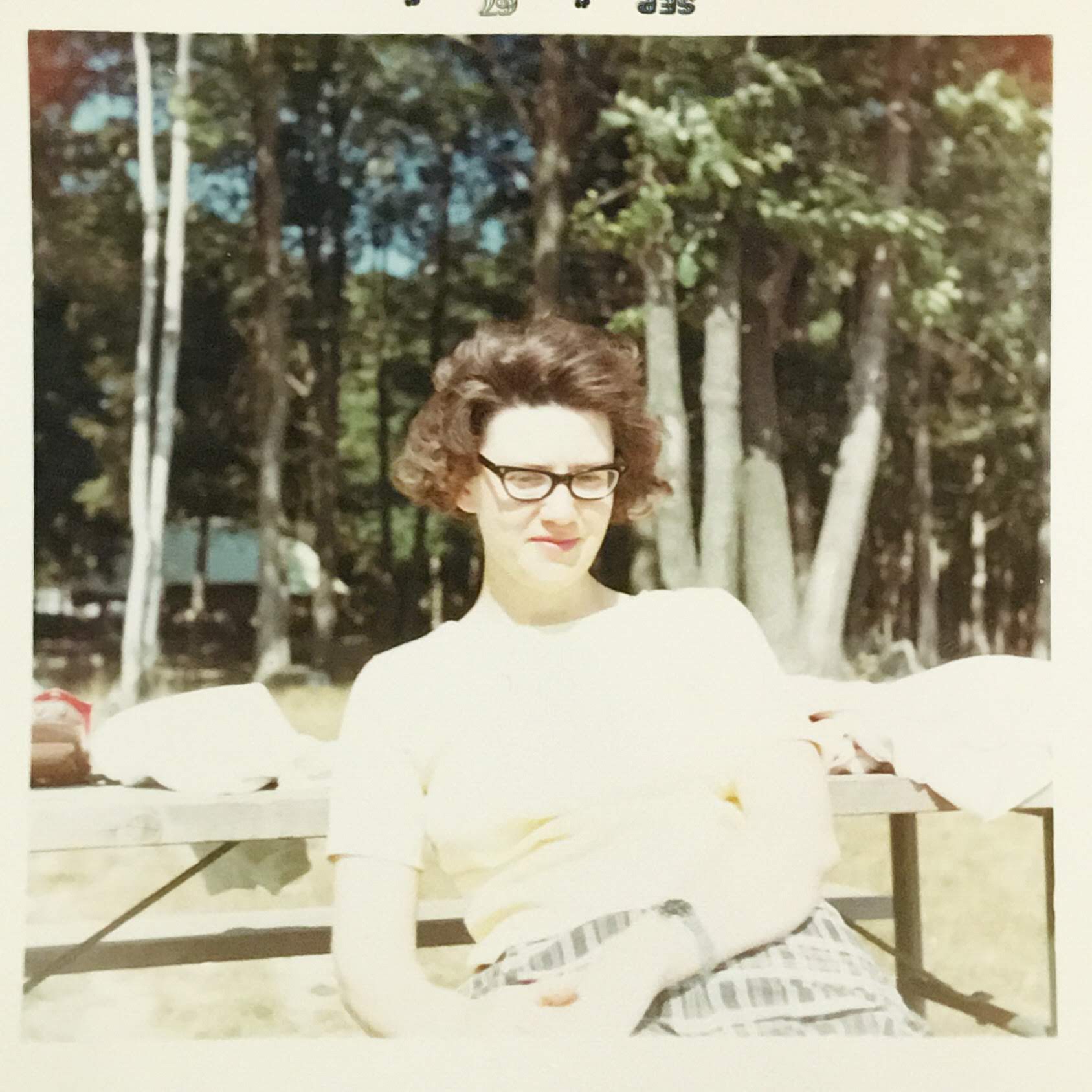
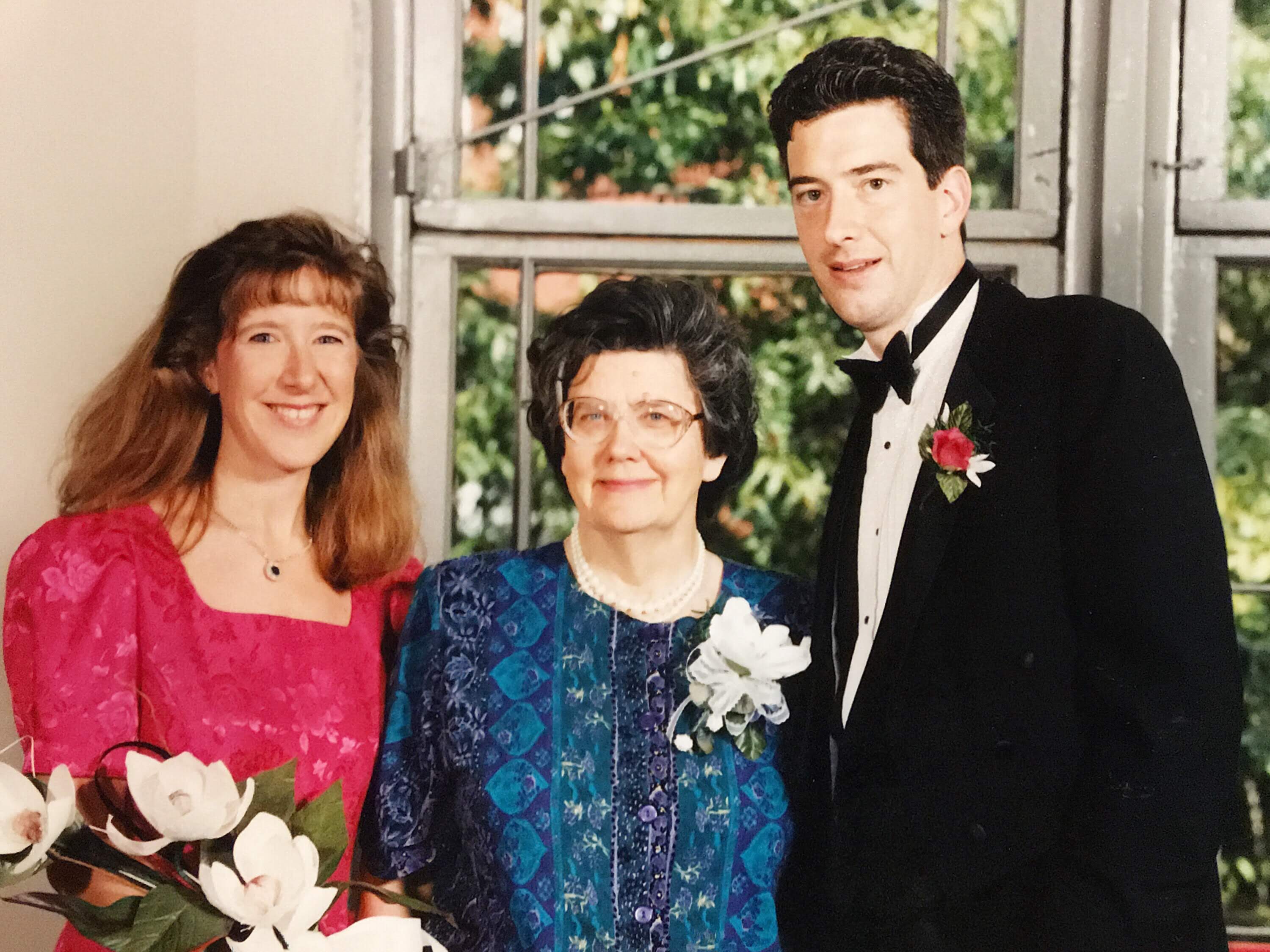
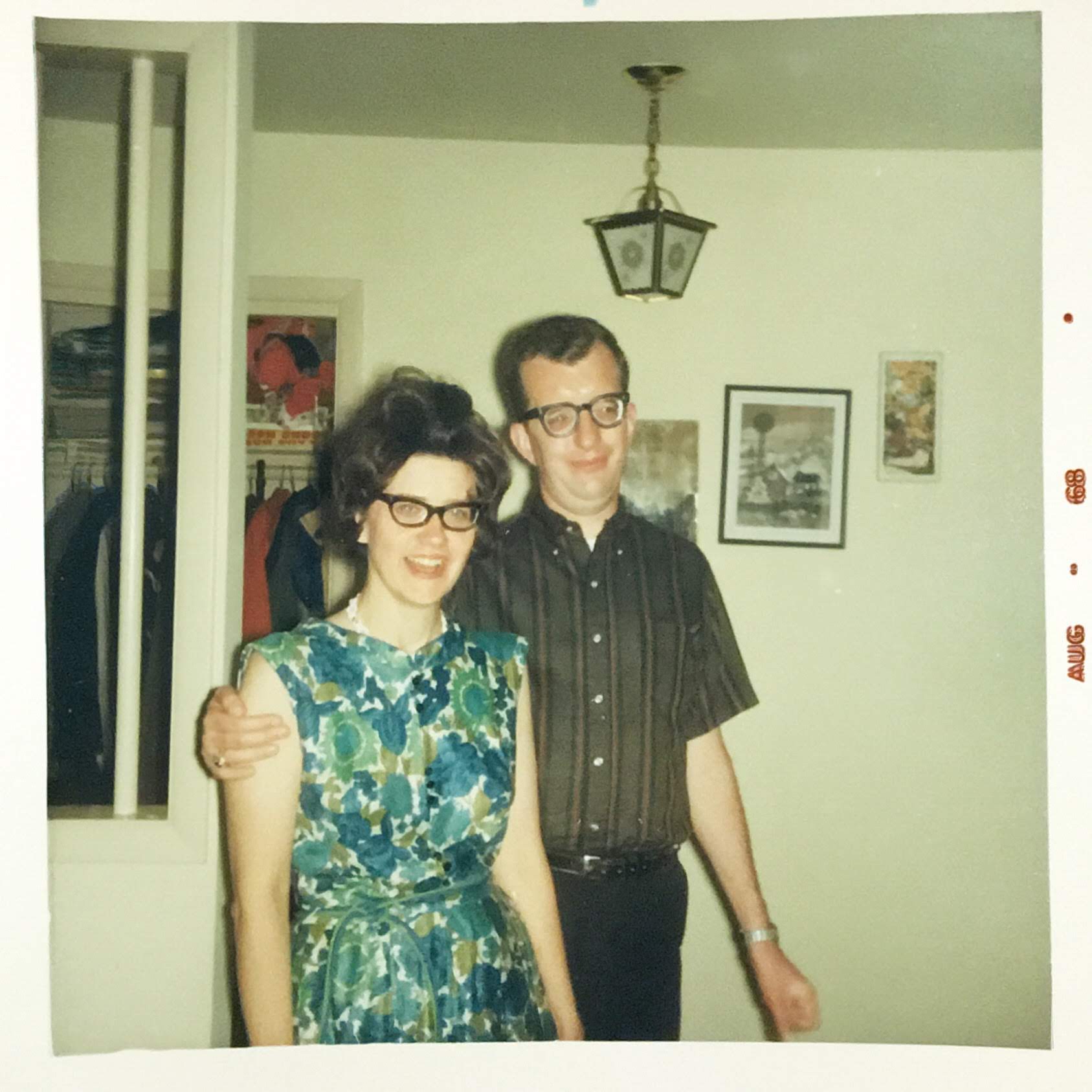
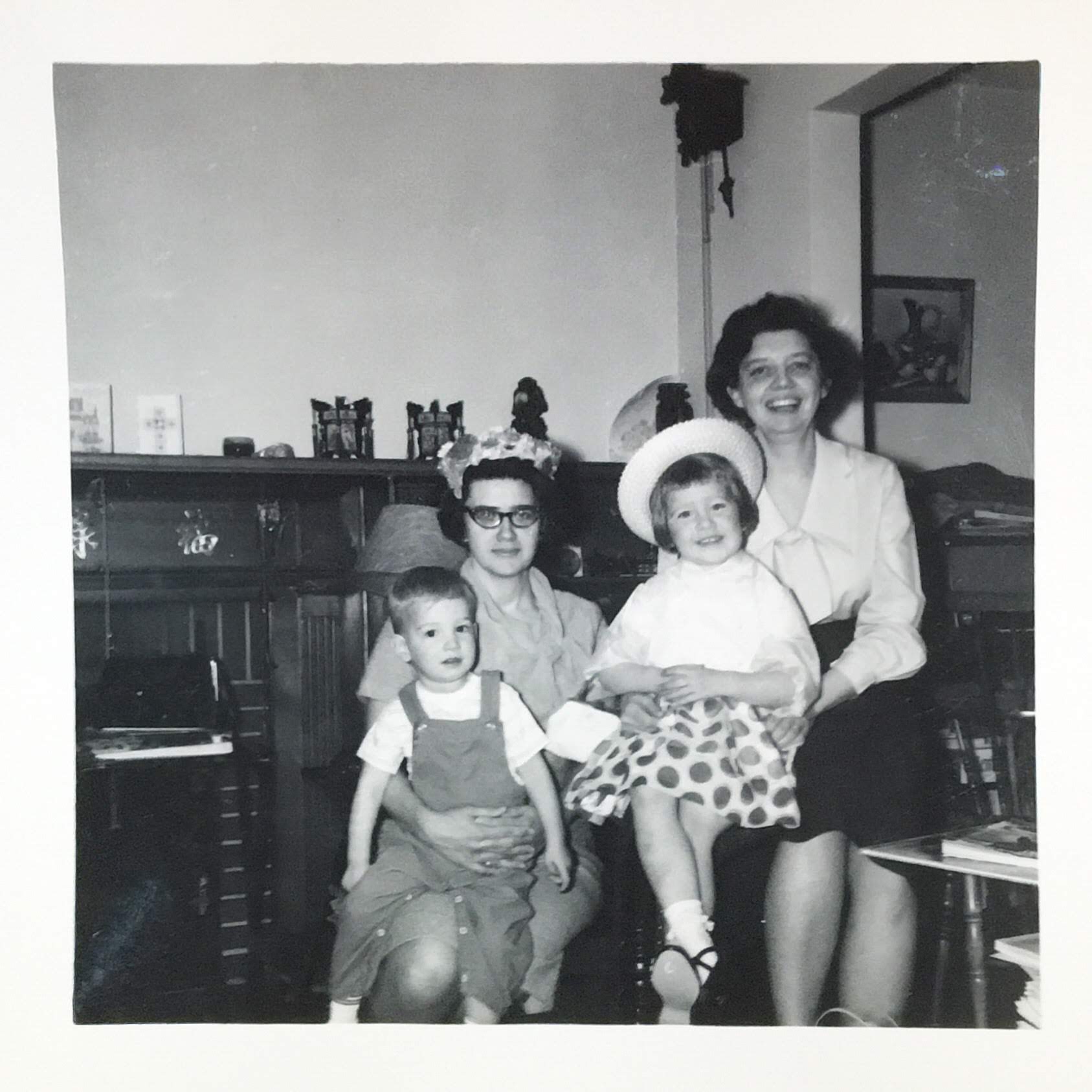
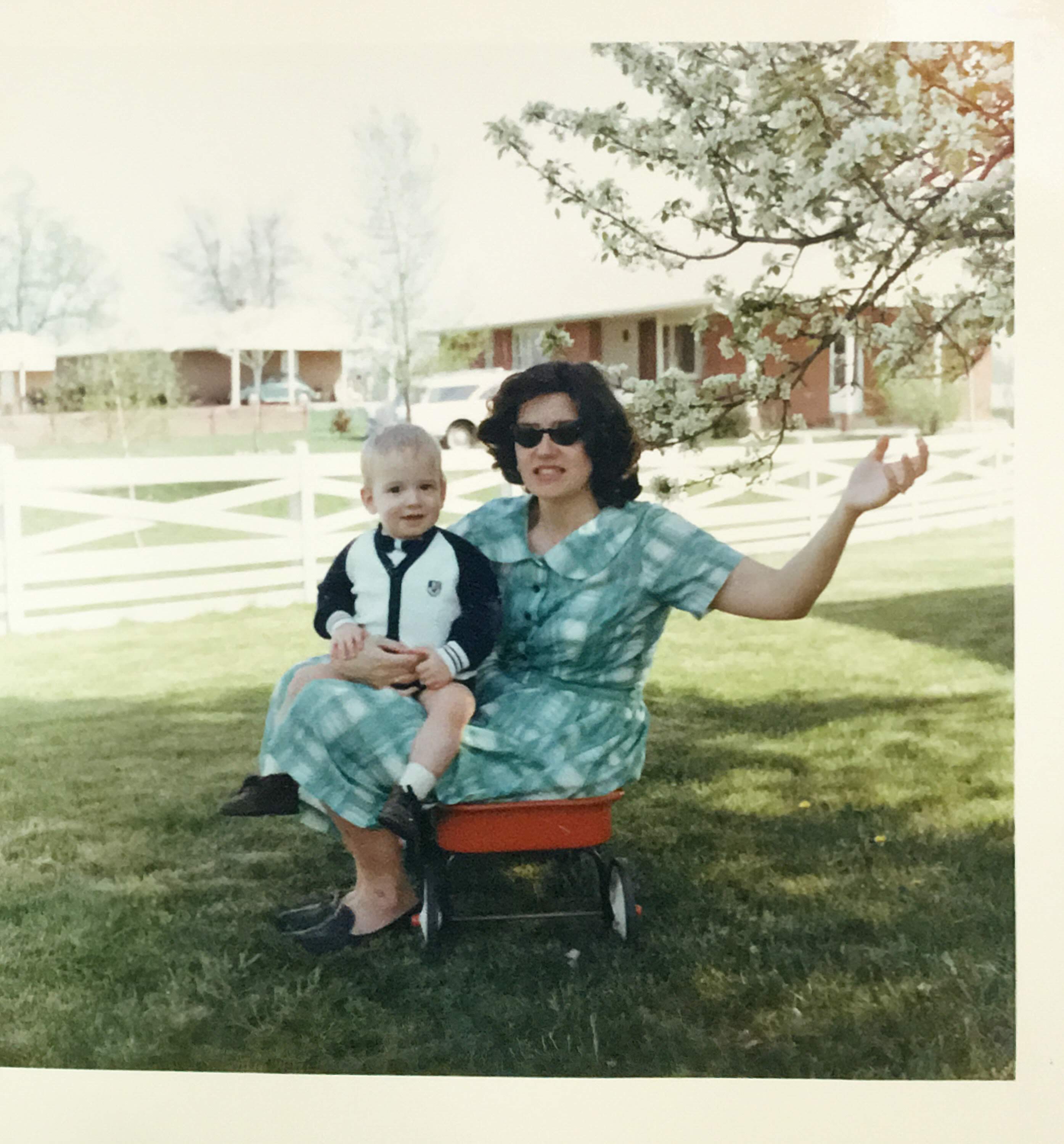
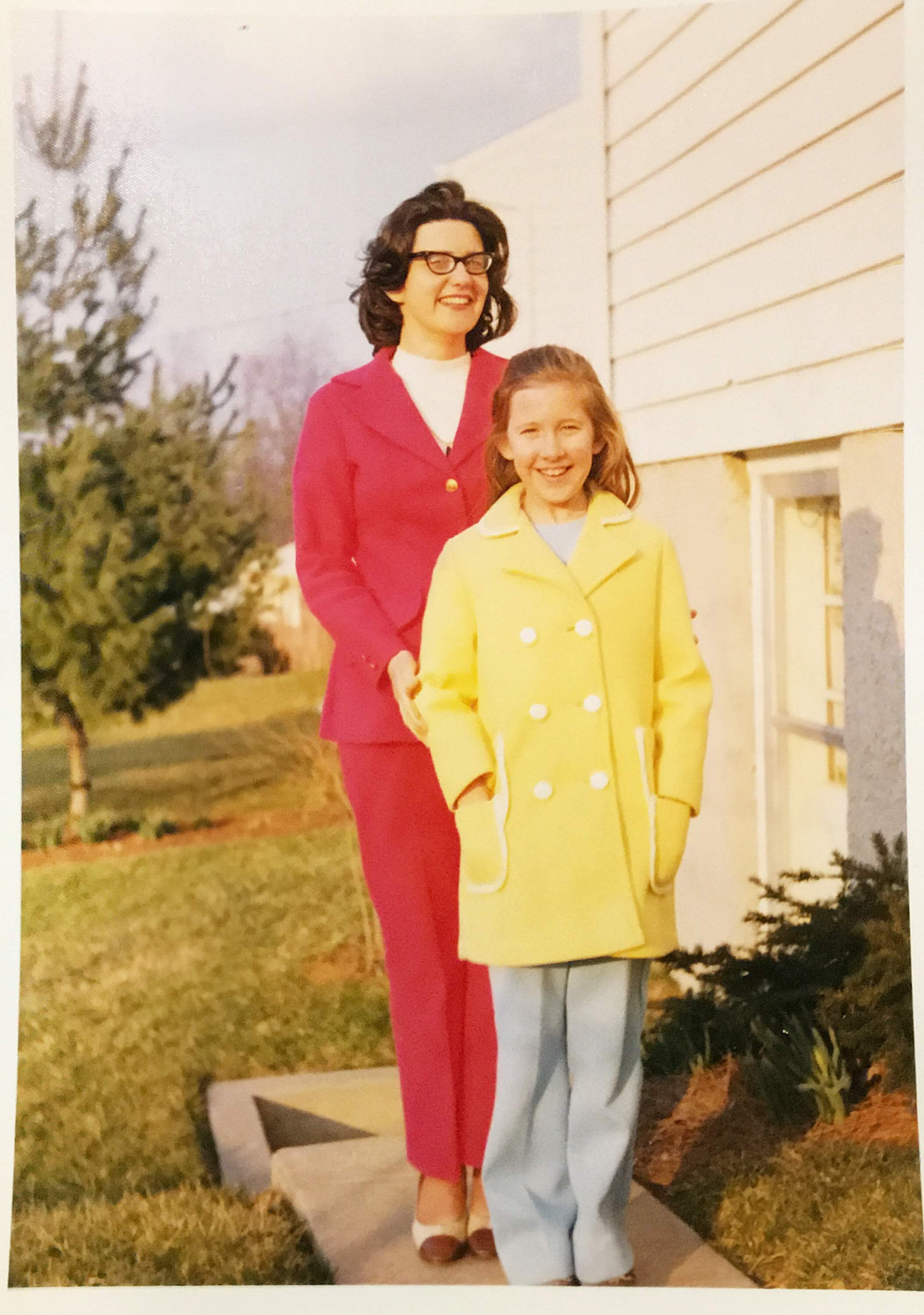
It’s been a few weeks since Virginia’s mom, Rosalie Kirk, passed away. After a trip to Maine, during which Virginia grieved in motion, we’re back home in Pennsylvania and feeling Rosalie’s presence in the negative—the lack of the evening phone call, the absence of a need to plan a trip down to Maryland.
In this time without, I’m trying to remember her in the positive, to think about the things she held in regard—her love for music and theater, for coffee, for her family—and the ways she had an effect on those she knew.
As her son-in-law, I remember how she always was a strong advocate. Rosalie was proud of her family—from her two children to the families that grew around them—and she wasn’t shy about sharing that pride. Sometimes she poured it on a bit thick (I mean, I’m a pretty good husband and son-in-law, but I knew better than to believe Rosalie’s pronouncements about me), but I never took it as some kind of overblown pride. Rosalie had overcome a lot and was justifiably happy to see things working out for those she loved. And for herself, because somehow, despite being widowed at 39 and spending the next 5 years not working while she cared for her kids, she saved enough in her life that, when she decided at 80 she wanted to sell her house and move into a lovely community at Vantage House, she did it. And once there, she flourished for her final 5 years. I’m not sure how exactly she managed it (though I looked in the dictionary and next to the word scrimp, I saw her photo), and I don’t miss the months before moving as we cleaned up the house for its sale and her departure from it, but I remain impressed by her ability to discern the life she wanted and to make it happen.
In addition to be sneakily effective, she had an uncanny ability to remember darn near everything. One of the most touching moments in her final days was when her sister Doris called and told her, “Rosalie, you can’t go. You’re half of my memory.” As if to prove it, a little later Doris was referring to a time she and Rosalie had traveled together and saw a Broadway play, and Doris was trying to remember who the star was, I looked in Rosalie’s eyes and you could sense her desire to fill in the blank, to interject “Patty LuPone! It was Patty LuPone,” even as she was struggling mightily to breathe and stay alive. She was still there, and she still knew. It made me think how family memories are indeed shared treasures, how we all share a threaded memory, a collective story.
Deeper than her knowledge was her deep love for her children, for those they loved and those they brought into her life. Those last few days what stayed and buoyed me was knowing how we had known and loved each other through decades. It was realizing that in deep ways, we were each others’, and that time was short.
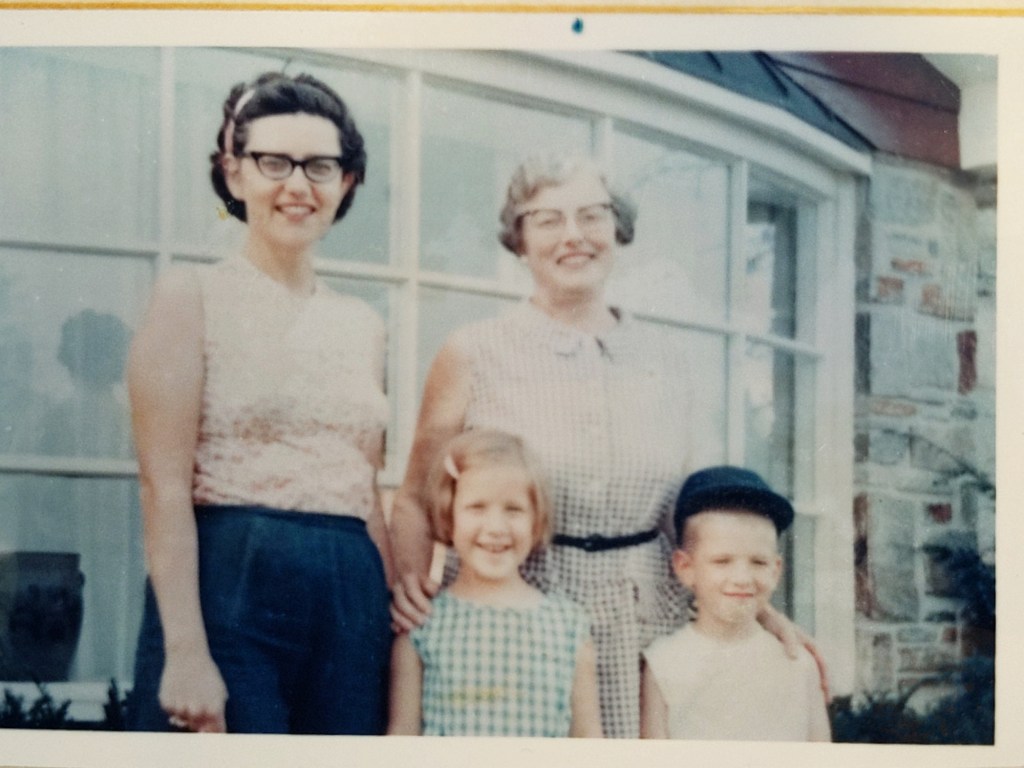
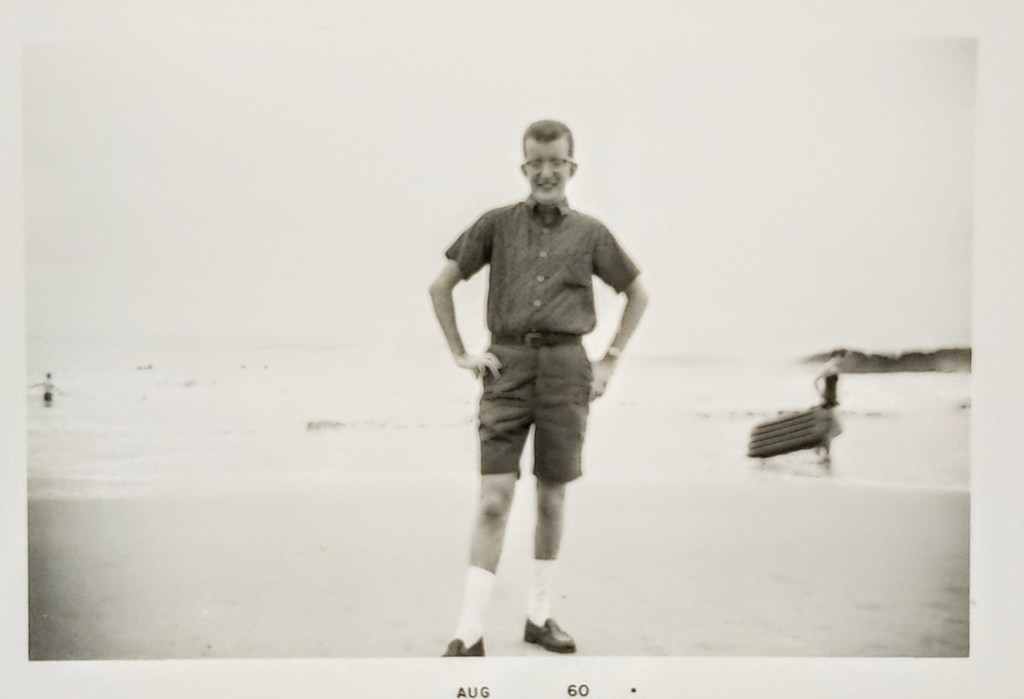
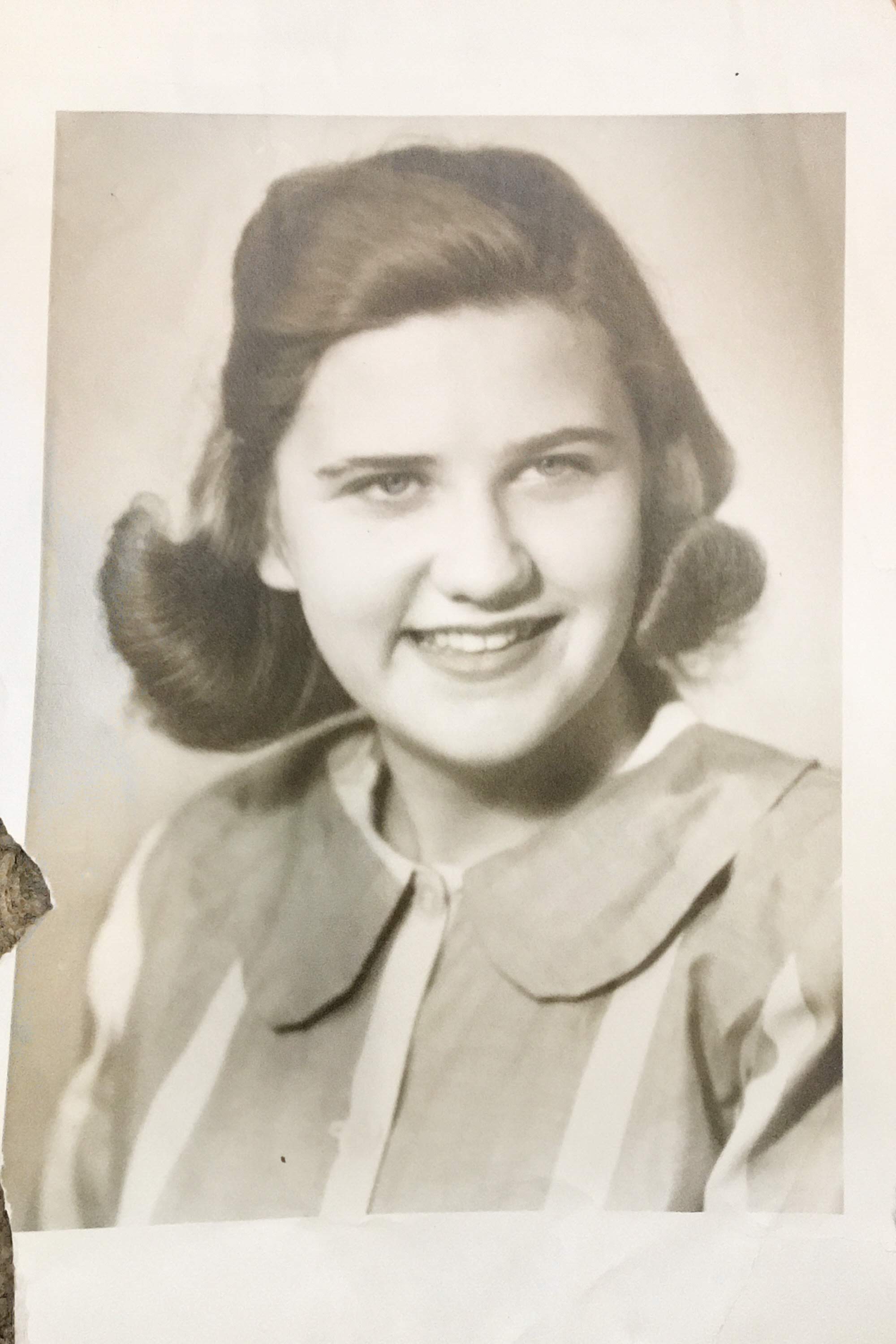
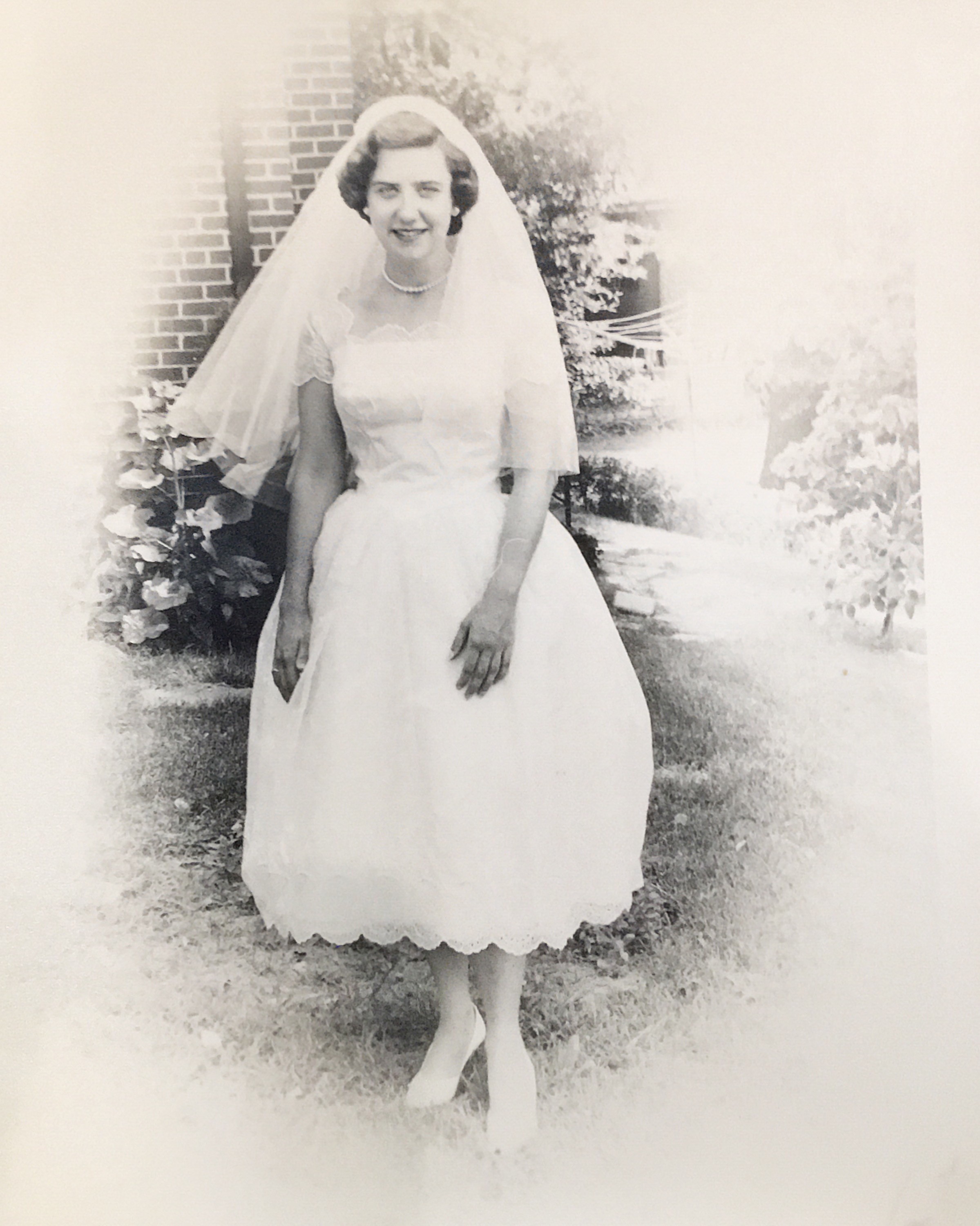
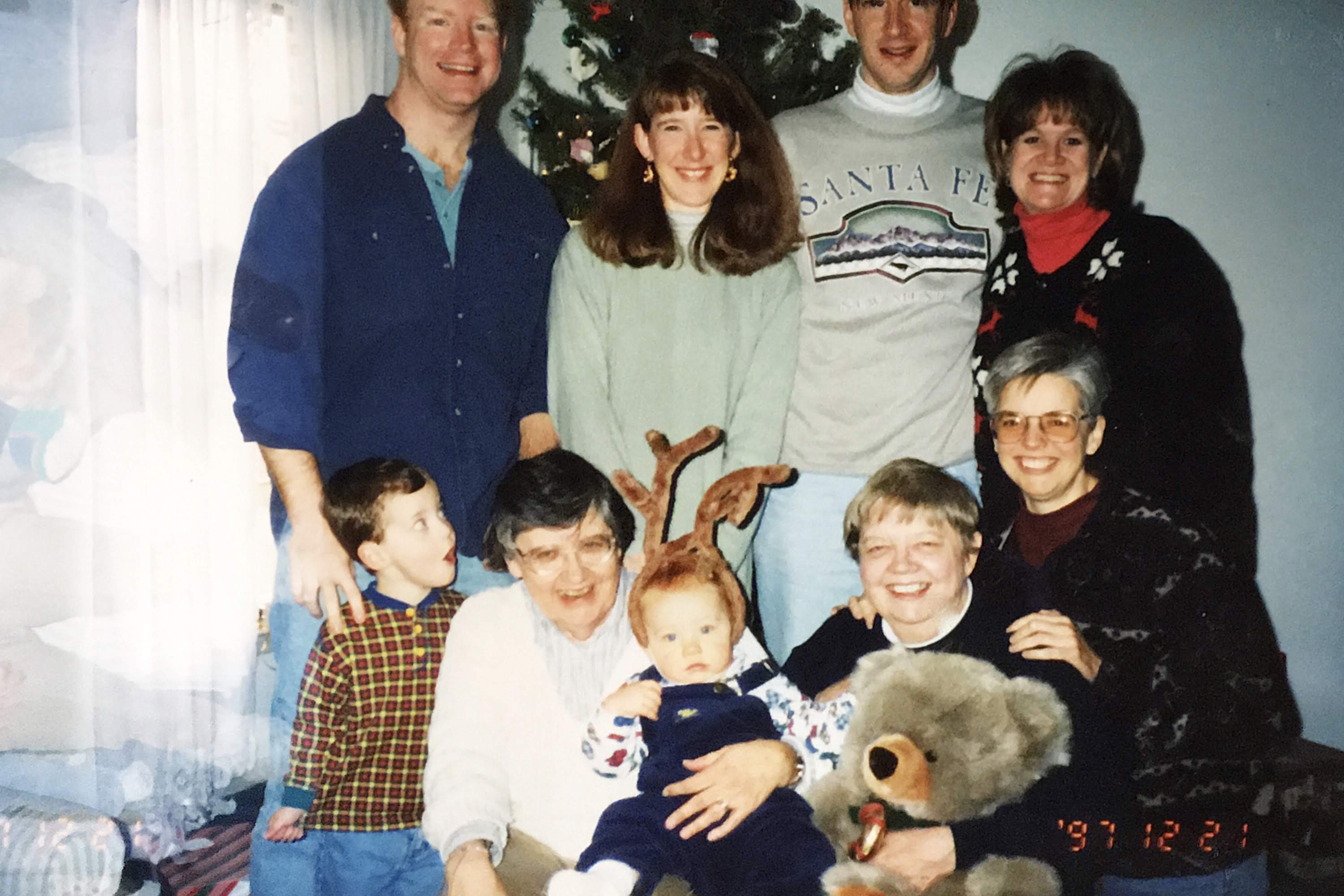
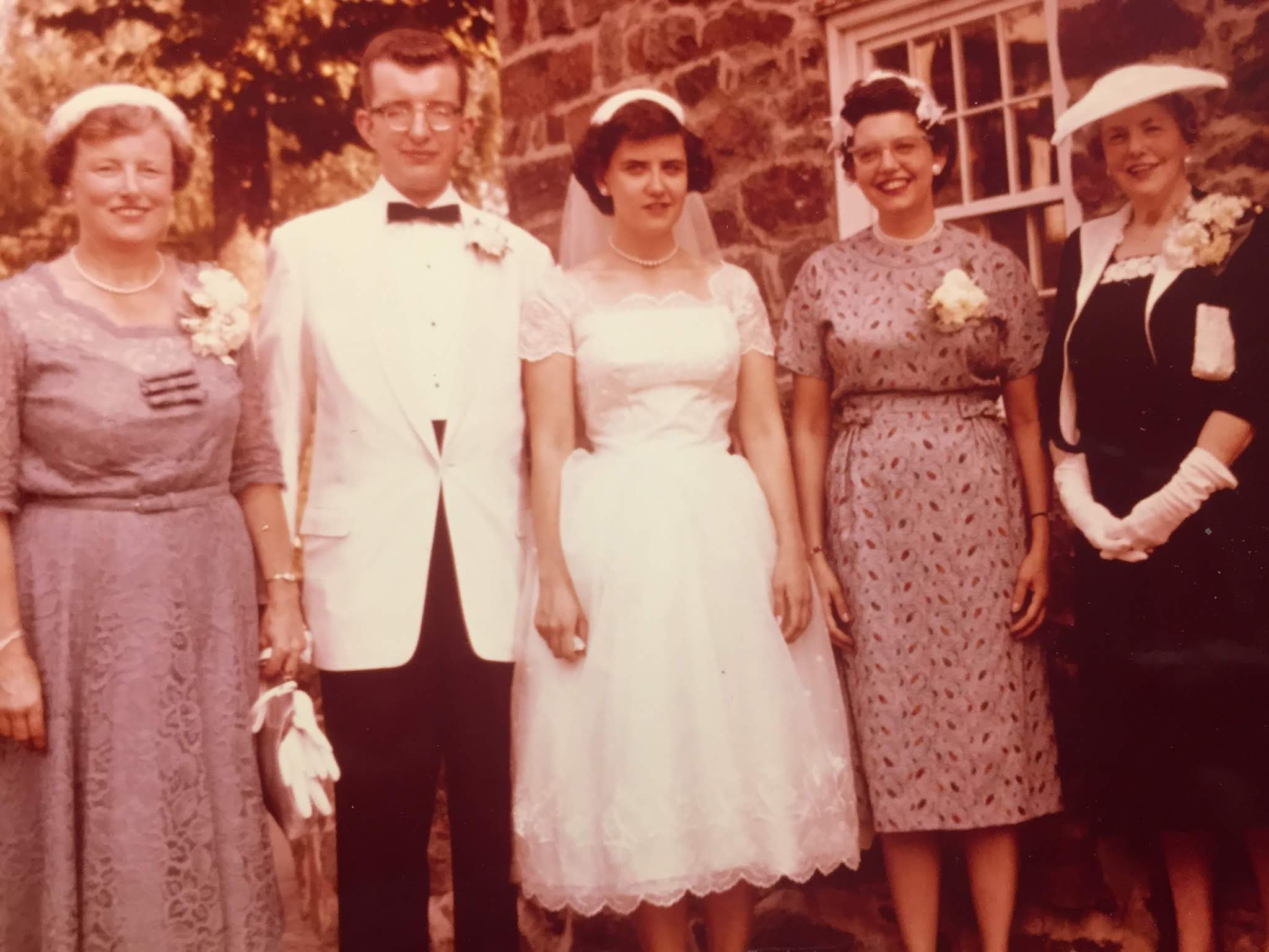
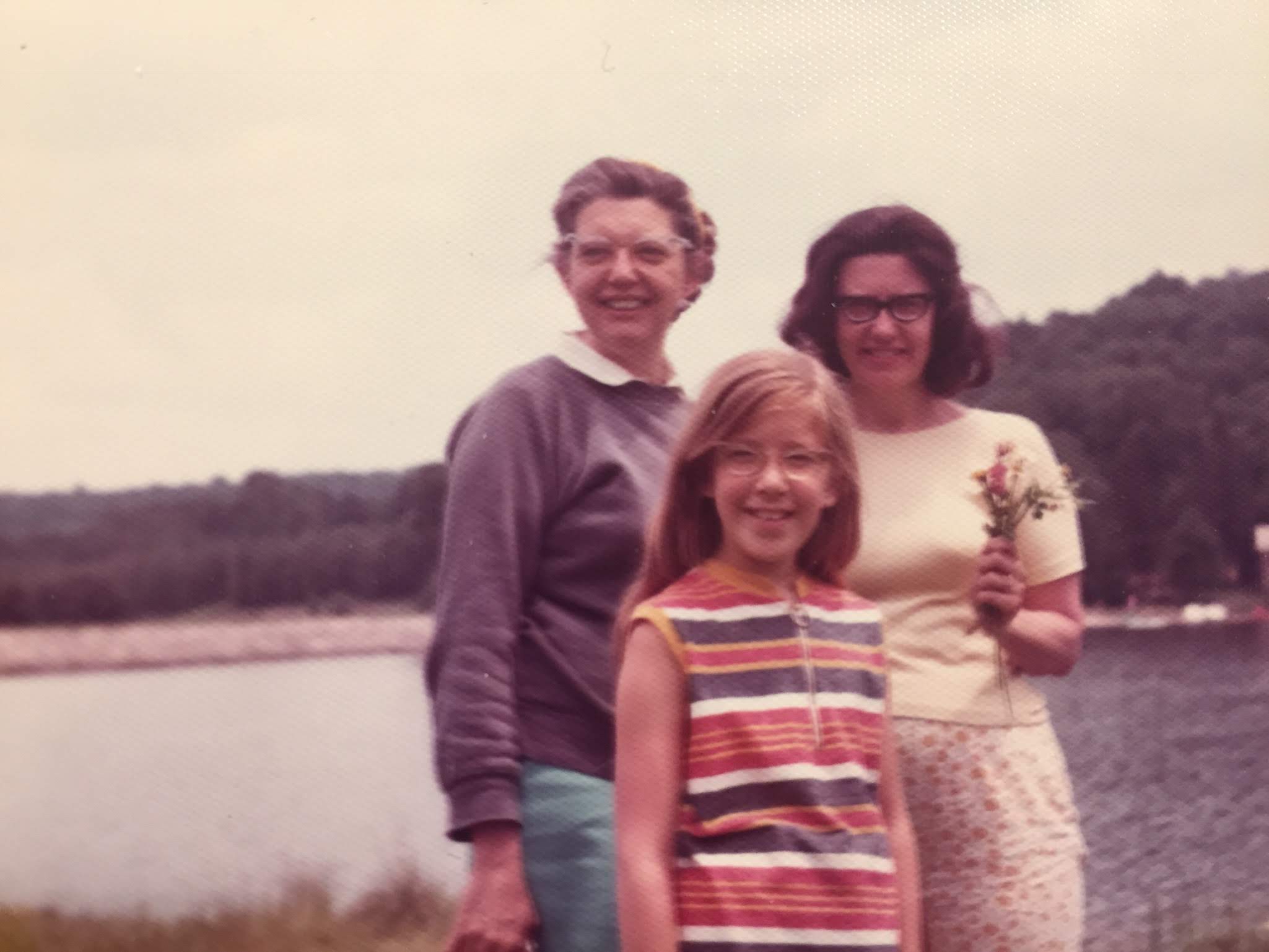
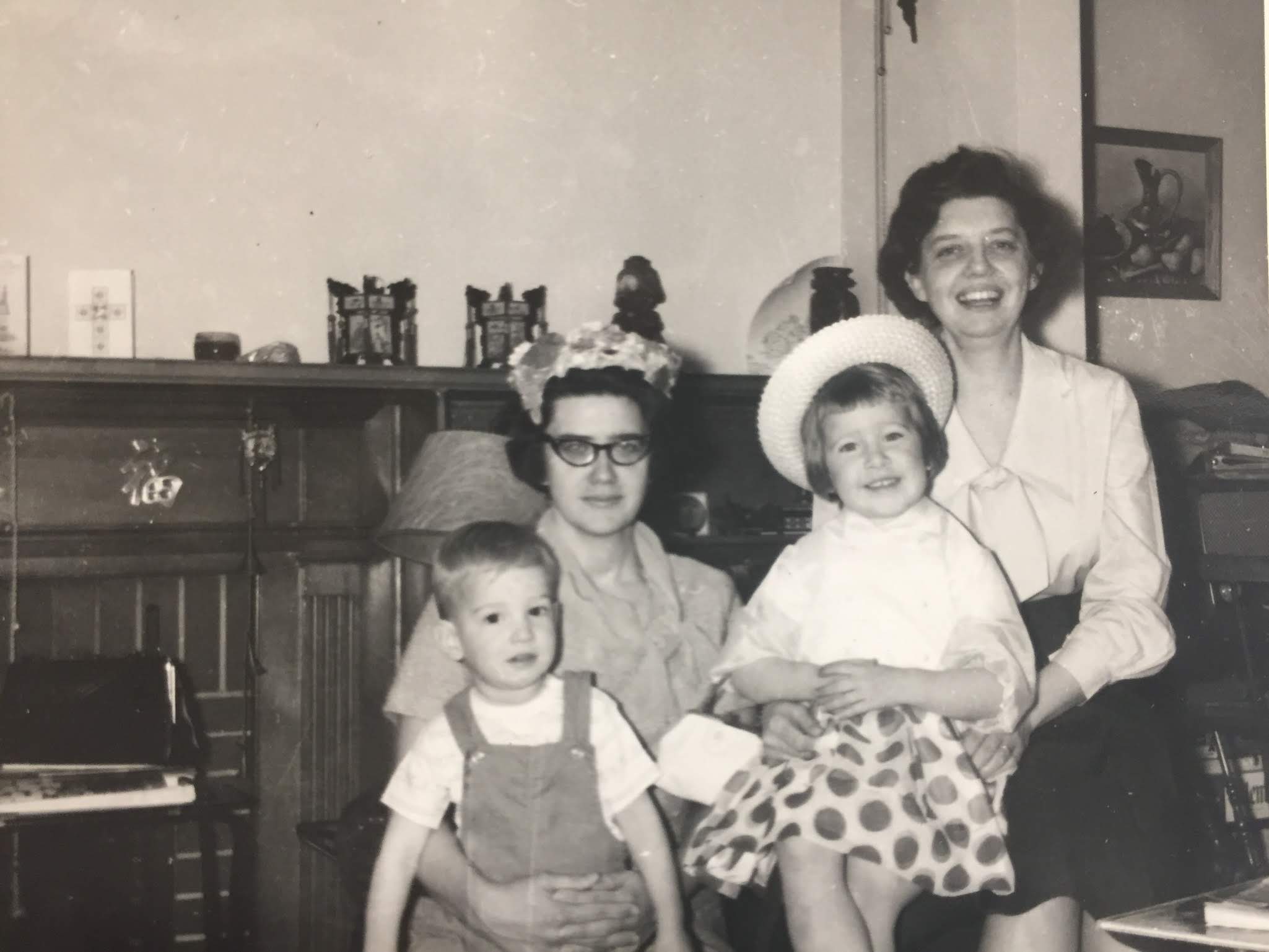
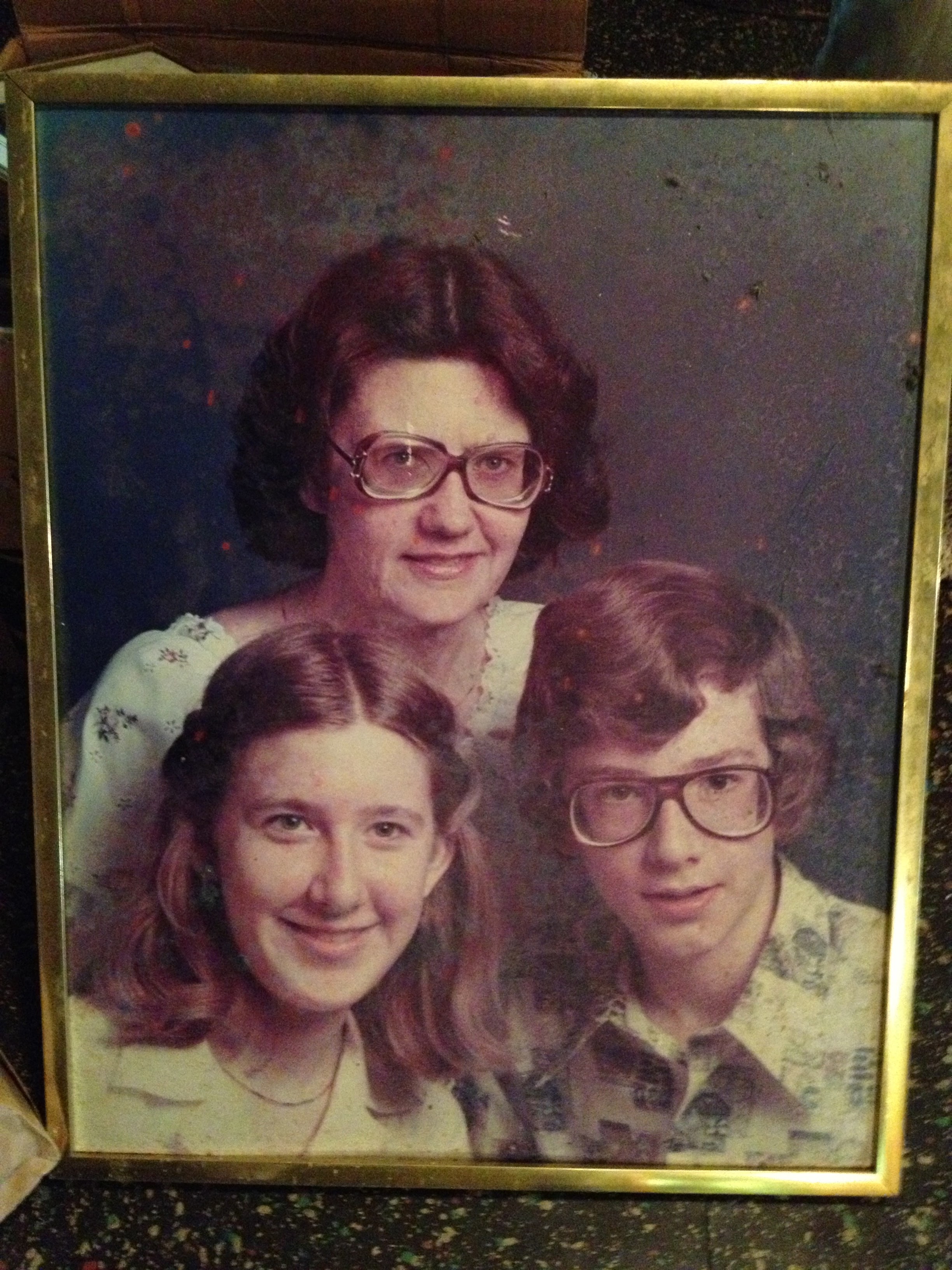
What follows is Rosalie’s death notice in The Baltimore Sun. After it, I’ve posted some photos. I encourage you to leave a memory of Rosalie in the comments below. We could do this on Facebook, but I wanted to create something that Virginia and others could come back to over time.
Rosalie Carroll “Roz” Kirk, 86, former longtime Hammond Village resident, passed away Sunday, Sept. 6th, surrounded by family at Gilchrist Center in Columbia, Md.
Mrs. Kirk, the daughter of Charles Carroll, a street car conductor, and Mary Catherine Kochanski, was raised on South East Avenue in Baltimore near the Patterson movie theater and graduated from Patterson Park High School. She studied for a year at Goucher College and worked a number of jobs-including at Pratt Library and the University of Maryland medical school library-and completed an English degree at University of Maryland, College Park. She met her husband, Charles “Chris” Kirk of Darlington, Md., there and soon settled in Howard County. While raising her two children, she was active in the Howard County League of Women Voters. She also was active with the Girl Scouts, as a Troop Service Director for the Hammond Village area, and served on the board of the Hammond Park Recreation Inc. After the early death of her husband and love of her life in 1974, Mrs. Kirk worked in market research and spent 12 years with IRI.
She loved to travel with her sister and they enjoyed Elderhostel tours and cruises throughout Europe and the United States, often focusing on opera and musical theater.
Mrs. Kirk moved to the Residences at Vantage Point in 2015 and quickly found an active life attending musical events, movies and lectures, playing bridge and making new friends while reconnecting with old ones.
She is survived by her son Chris Kirk and his wife, Susan, of Silver Spring, and her daughter Virginia Kirk and her husband, Kevin Donahue, of Eagleville, Pa., as well as her sister, Doris Plaine of Columbus, Ohio, her niece Mary Carroll Plaine and her life partner, Ellie Eines, of Baltimore, Md., four grandchildren (Peter Donahue, Kelly Donahue, Ryan Kirk and Emily Kirk) and a great-granddaughter, Mia Potoma. Arrangements will be made by the family. In lieu of flowers, the family asks that donations be made to the Maryland Food Bank or Sundays at Three Chamber music series.
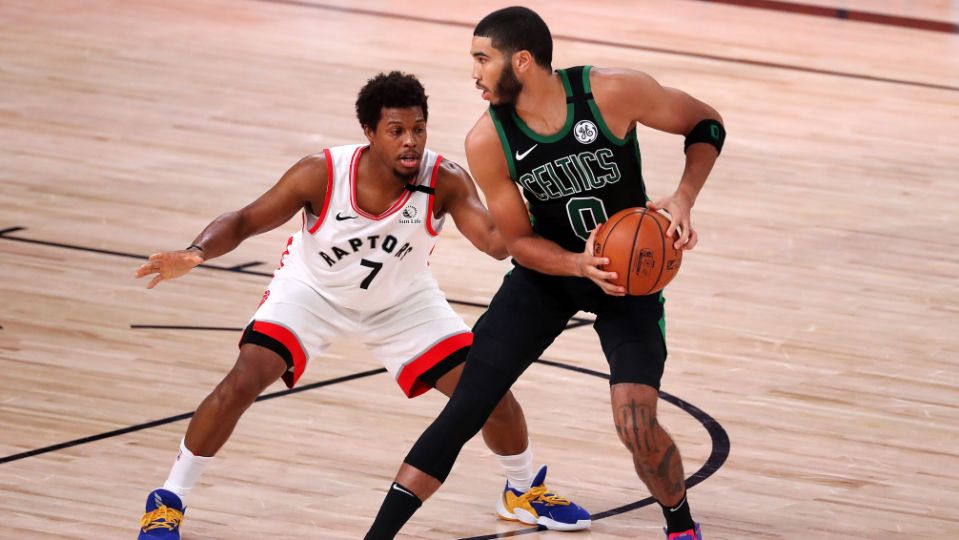
After watching the Celtics’ 92-87 Game 7 win over the Raptors ..
Paskal Siakum took a big step back this postseason. In a series where Toronto really needed Siakum to come up big, he was outplayed by Jaylen Brown consistently. In Game 7, he managed just 13 points (to Brown’s 21). After a great first half of the season, he didn’t play at the same level in the second half, before the March break.
The Raptors, and Kyle Lowry, really impressed me. Tough as nails, it would have been quite the achievement to reach the Conference Finals for a second straight year, especially without Kawhi Leonard. Frankly, I think they would have been a better fit for Miami than Boston. Which leads me to ….
I think the Heat are headed to the NBA Finals. They are rested, immaculately coached and have plenty of ways to score—and Jimmy Butler to bring it home. I think the Heat are a good antidote to the Celtics.
Game 7 was the first time I found the Bubble really lacking. You play all season to earn homecourt advantage and it’s supposed to be worth something. The atmosphere was so unlike a Game 7 crowd that it felt more like other sports where the lack of fans is so jarring.
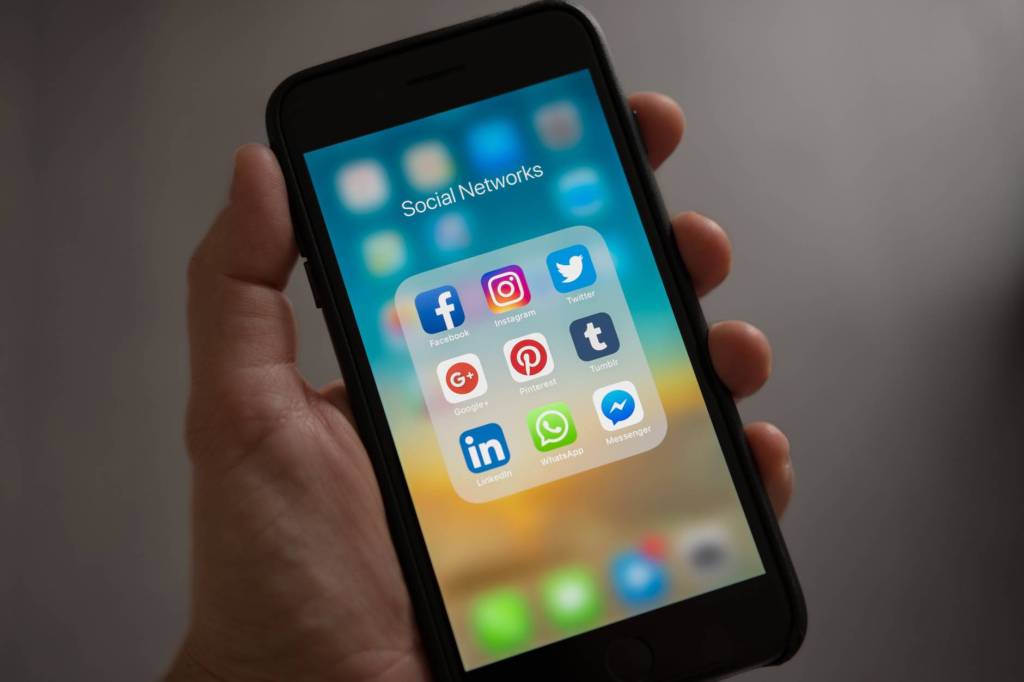
I purchased an iPhone 11 earlier this summer to replace my Pixel 3a. I am not satisfied. Here’s why would I return to my Pixel 3a:
• The size. The Pixel 3a is smaller and, honestly, just the perfect size for a phone. The iPhone 11, which is the old XR, is just plain large.
• I got a Quadlock for the Pixel 3a case. Quadlock makes the best locking system for phone cases. It’s easy to use on a bike, in the car, etc. The Universal Fit accessory allows one to turn any case into a Quadlock case. The awkwardness of hooking my phone into my car and my bike was honestly my biggest gripe with the Pixel 3a. That’s now solved. I actually find the Pixel 3a and Android more intuitive and helpful than iOS/iPhone, I hate face unlock (especially in a mask-forward pandemic) and Google Assistant is so much better than Siri. Plus, the apps I used to find so useful when I last lived on an iPhone (Halide, Spectre, Darkroom), I just don’t find myself using them. The exception is Dark Sky, the what’s-happening-in-the-next-hour weather app that I love and which Apple recently purchased. Accuweather’s app does something similar, but it’s just not as refined. DS is just about perfect.
I think I’m going to give my iPhone 11 to a family member and return to my Pixel 3a. I don’t think it will have much effect on my life at all, except in a mildly positive way. It’ll force me to not split my attention between Apple and Google ecosystems. It’ll make me use a camera to shoot camera-worthy photos. It’ll cost me Dark Sky, and iMessage, but that’s about it.
The hardest part is figuring out how to backtrack to the Pixel. And how not to end up buying the Pixel 5 or even the 4a, when it’s released. I think I can handle it.
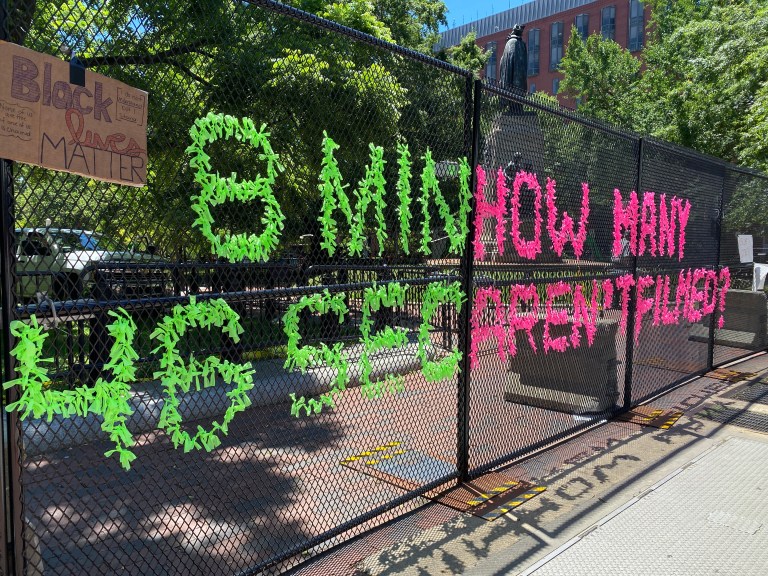
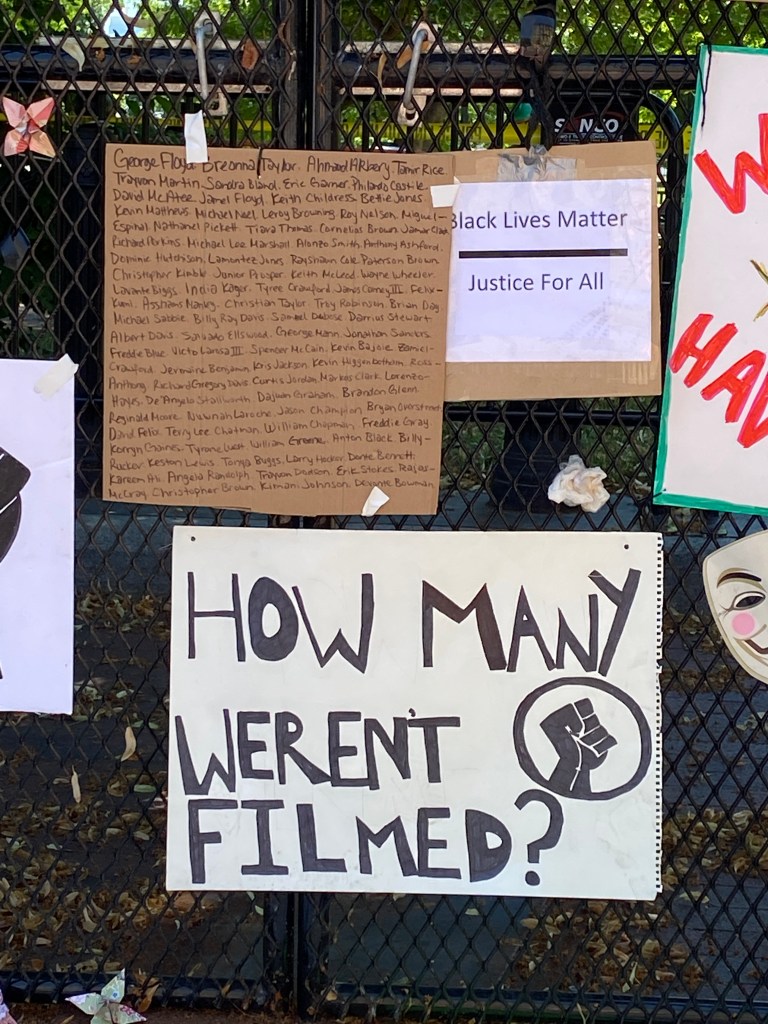
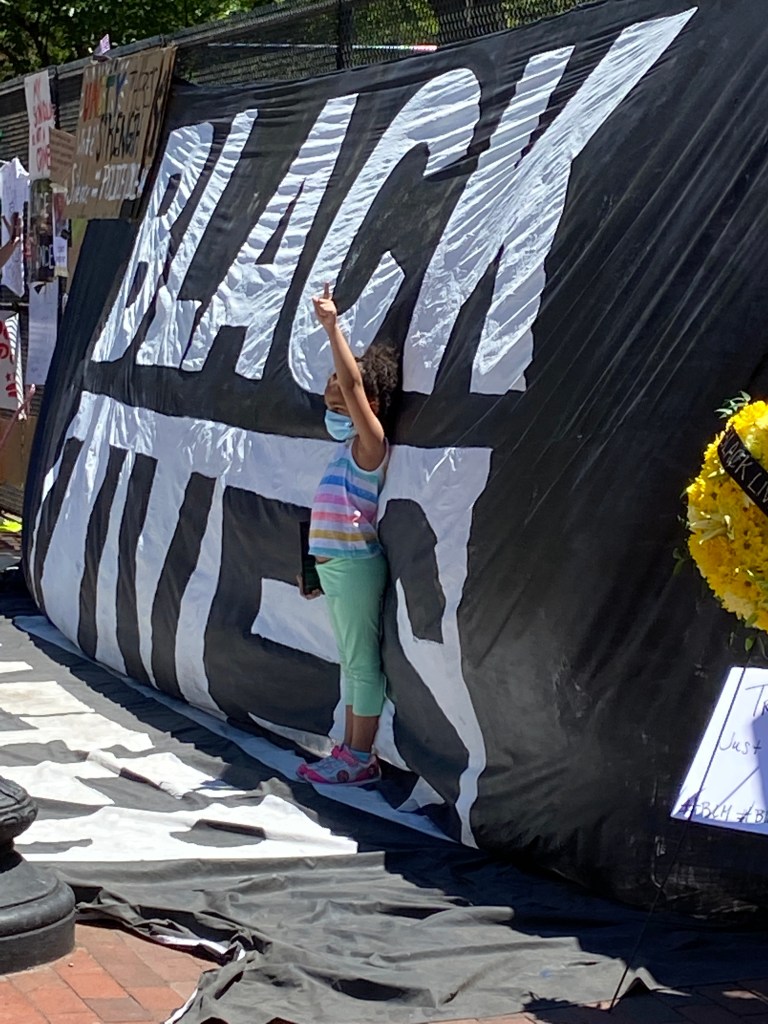
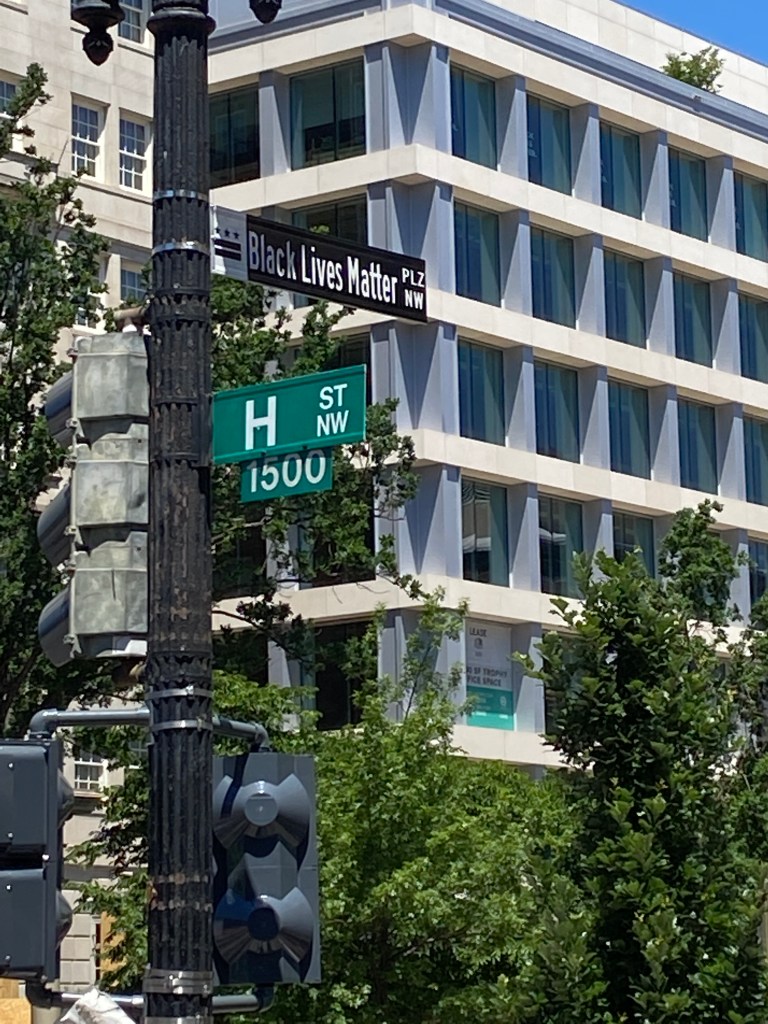
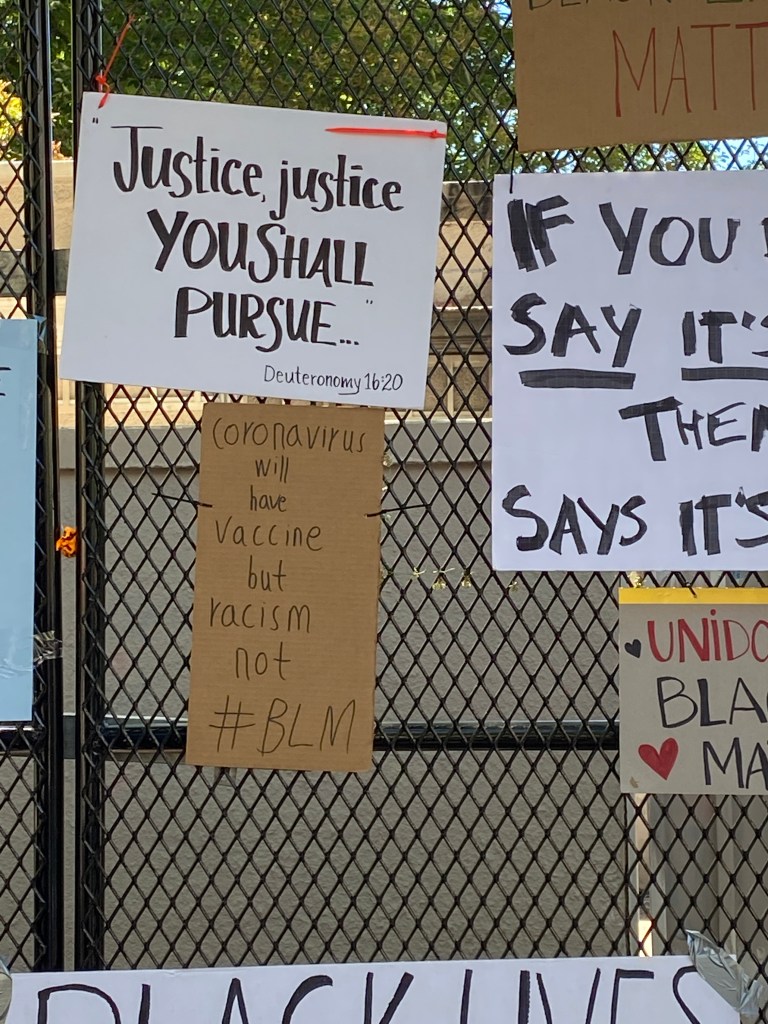
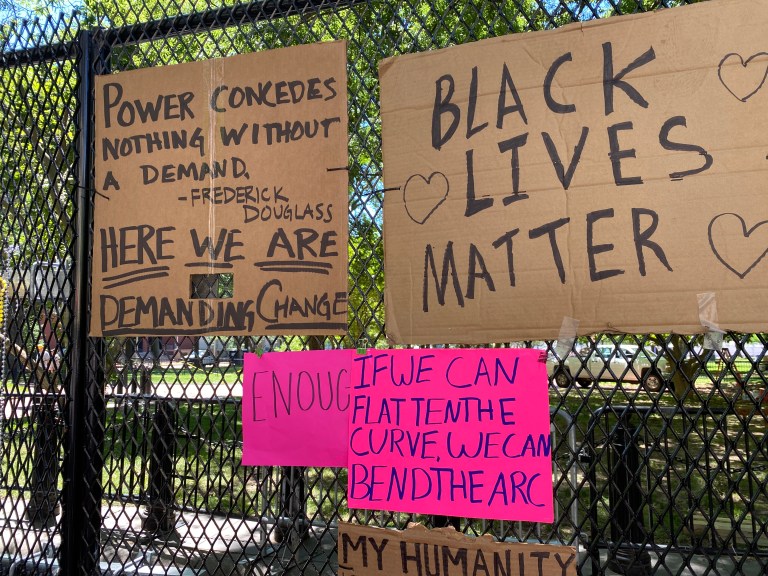
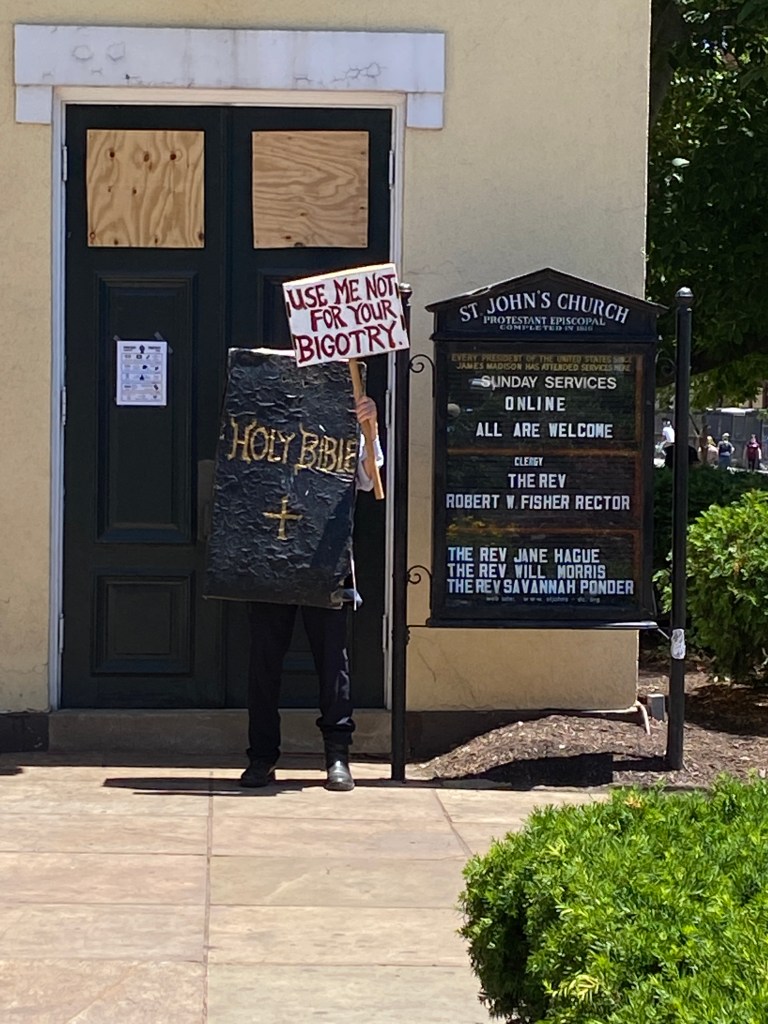
Virginia and I were in DC Monday at the White House. We joined a group of local Catholics, from lay people to bishops, Franciscan monks to priests, who peacefully affirmed that Black Lives Matter.
Behind the speakers was a security fence, erected to keep citizens off the White House grounds but turned into a shrine of sorts, adorned by people who left behind posters and cardboard signs and artwork that spoke to their experience of violence and oppression and despair and anger and hope. The protest had a liturgical feel to it, and an excellent closing sermon, and then we marched together to the Smithsonian National Museum of African American History and Culture. Along the way, we sang several songs, including There Is a Balm in Gilead. The first verse and chorus goes like this:
Some times I feel discouraged, And think my work’s in vain, But then the Holy Spirit Revives my soul again.
There is a balm in Gilead To make the wounded whole; There is a balm in Gilead To heal the sin-sick soul.
These are trying times. A week ago I feared this moment would be squandered, that we were at risk of being distracted from the opportunity available to us to reconstruct a more just future. But people did the most amazing thing: the opportunists were hustled off-stage; across the country, an overwhelming number of people solemnly and joyously took up the challenge to meet this very real opportunity with grace.
We’re not there, not by a long shot. But, and I can only speak for myself, I am encouraged that we can meet this challenge and see this opportunity through to meaningful change. That we can create a more just, safer society for all of us, especially those who have been schooled by dread experience that they are unsafe here. That there is a balm. That we can be healed.
I am a Universalist by inclination; I believe there is always another chance, for you, for us. If you are discouraged or wounded, know that you can be whole again. And you can help heal others — a whole country, perhaps.
I don’t know how that happens. I do know its continued existence is precarious. That powerful forces insist that some people suffer. That they will not relent easily.
But there is a balm in Gilead. It’s here too.
Some times I feel discouraged, And think my work’s in vain, But then the Holy Spirit Revives my soul again.
There is a balm in Gilead To make the wounded whole; There is a balm in Gilead To heal the sin-sick soul.
















 kevdonahue